Estates General
Louis XVI
The Estates General opened the revolutionary year that produced the National Assembly, Tennis Court Oath, Bastille uprising and Declaration of Rights.
A revolutionary rights declaration. Explore the related historical entries from the same archive as the main French Revolution records.
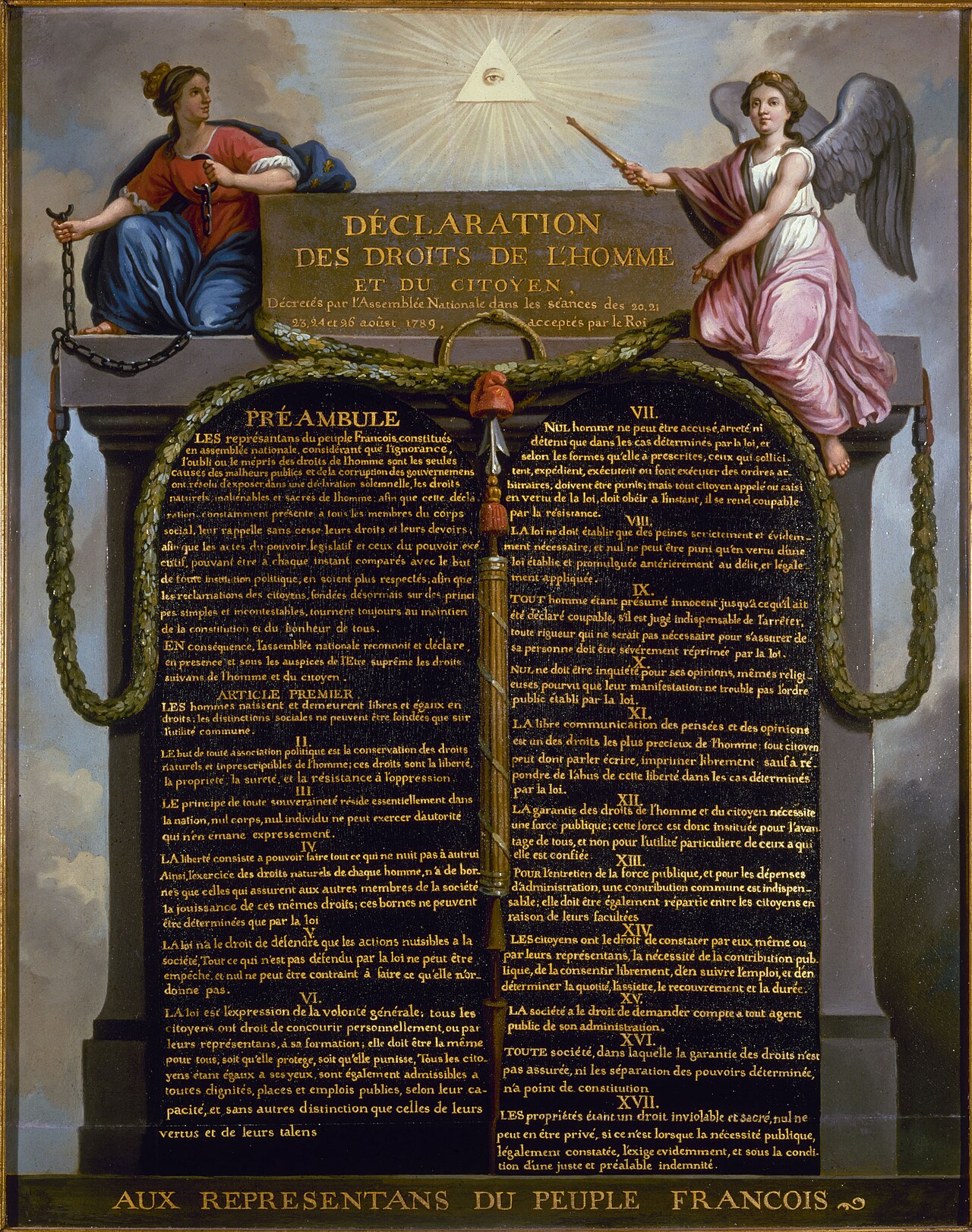
The Estates General opened the revolutionary year that produced the National Assembly, Tennis Court Oath, Bastille uprising and Declaration of Rights.
This record states: The first year of the Revolution sees members of the 3rd Estate proclaiming the Tennis Court Oath in June, the assault on the Bastille in July, the passage of the Declaration of the Rights of Man and.
Lafayette read his draft declaration of the rights of man and the citizen to the National Assembly.
The National Assembly declares the feudal system abolished. The August Decrees pave the way for the National Assembly to make the Declaration of the Rights of Man.
Robespierre spoke during debates on rights and religious liberty as the Assembly shaped the Declaration of Rights.
Lafayette's earlier proposal helped shape the broad discussion that produced the seventeen-article declaration. The declaration of rights completed made Versailles a focal point in the struggle over royal and representative authority.
Mirabeau was among the prominent speakers as deputies settled principles of liberty and legal equality. This development concerning declaration of rights completed exposed the limits of the old regime's political arrangements.
Mounier's constitutional concerns reflected debate over how abstract rights should relate to concrete institutions. The consequences of declaration of rights completed reached well beyond the palace and its neighbouring legislative chambers.
Mirabeau participated in debates leading to the Declaration of the Rights of Man and of the Citizen. The text placed liberty and legal equality at the center of future government.
The Declaration of the Rights of Man and of the Citizen articulated principles at odds with inherited privilege and absolute sovereignty. Marie Antoinette faced a political environment in which legitimacy was increasingly linked to citizens' rights.
Sieyes submitted a project for a declaration of rights during the Assembly's constitutional debates.
Brissot's newspaper discussed the declaration of rights and the implications of legal equality. He presented revolutionary principles as the basis for further public debate.
The revolutionary year produced the National Assembly, Tennis Court Oath, Bastille uprising, Declaration of Rights and October march on Versailles.
La Revelliere Lepeaux served in the Assembly as the Declaration of Rights established legal equality and national sovereignty as public principles.
Competing formulations by Sieyes and other deputies became material for the Assembly as it worked toward a common declaration of rights.
Olympe de Gouges addresses the Declaration of the Rights of Woman to her.
Publishes the Declaration of the Rights of Woman and of the Female Citizen.