Positive void coefficient
Steam formation could raise reactivity and power rather than automatically damping the chain reaction.
A technical but readable explanation of the reactor physics and test sequence that turned an unstable low-power condition into a destructive power excursion on 26 April 1986.
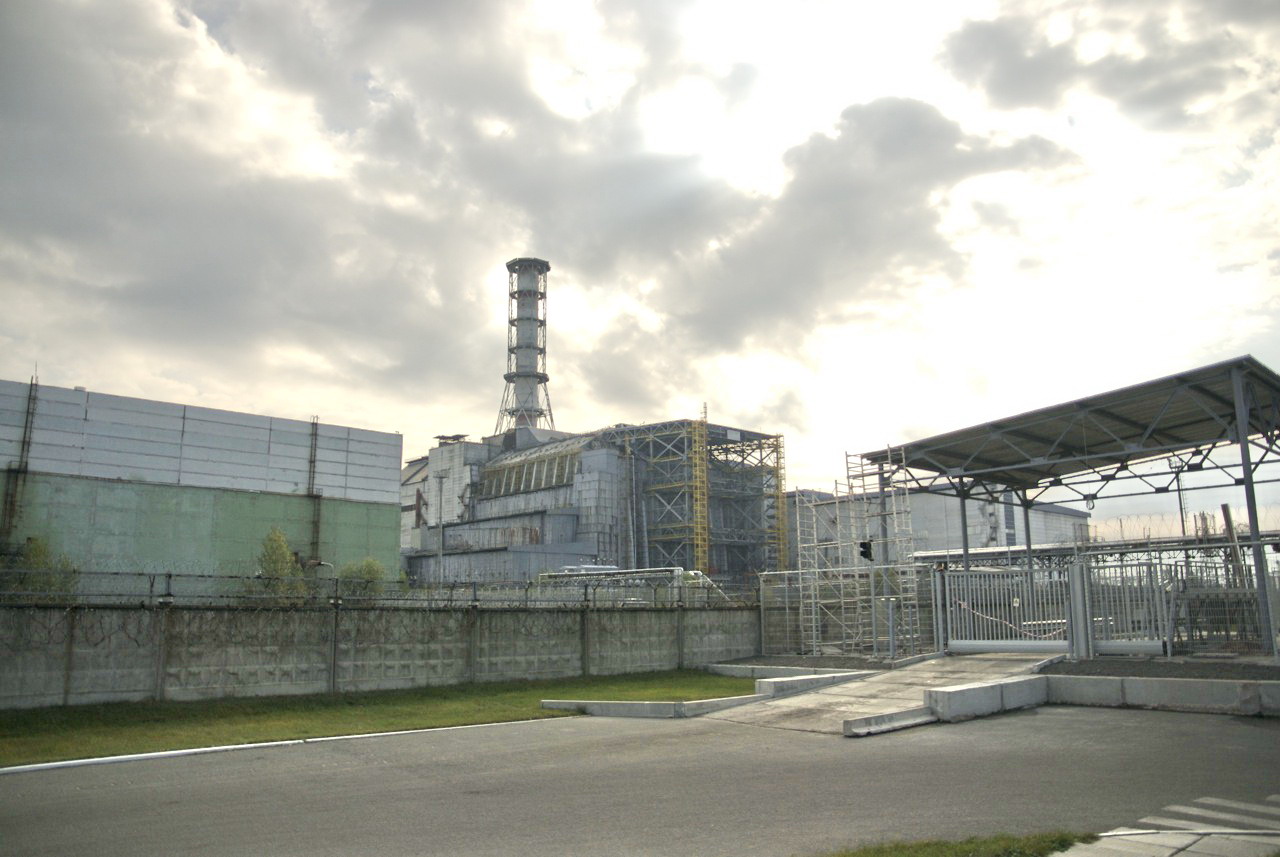
The explosion was not caused by one switch or one mistake. Unit 4 entered the test in an unstable low-power condition. The 1986 RBMK-1000 design could add reactivity as coolant water turned to steam, and its control rods could briefly add still more reactivity when first inserted from a highly withdrawn position.
The RBMK used graphite to slow neutrons and water flowing through pressure channels to remove heat. Liquid water also absorbed neutrons. When water became steam, neutron absorption fell while graphite moderation remained. Under the Unit 4 configuration, this produced a large positive void coefficient.
At 00:28 power fell to roughly 30 MW thermal. Operators recovered it to about 200 MW thermal, but xenon poisoning required substantial control-rod withdrawal. Later calculation put the operating reactivity margin at about eight rods at 01:22:30, below the required minimum of 15.
The test began at 01:23:04 when turbine stop valves were closed. Pumps powered by the coasting turbine began to run down. Reduced coolant flow and feedwater changes encouraged more boiling. Because the void coefficient was strongly positive, additional steam could add reactivity.
At 01:23:40 AZ-5 was pressed. The 1986 rods had graphite displacers followed by water and absorber sections. With many rods withdrawn, the first movement into the lower core displaced neutron-absorbing water with graphite before the absorber arrived, creating a possible local positive reactivity insertion.
IAEA chronology records AZ-5 at 01:23:40 and emergency power-excursion signals at 01:23:43, when power had exceeded 530 MW thermal and was rising. Fuel-channel failure and additional steam strengthened the positive feedback. Pressure and structural failures then destroyed the reactor. The precise mechanism of the second reported explosion remains less certain.
Steam formation could raise reactivity and power rather than automatically damping the chain reaction.
Graphite displacers could create a positive scram effect during the first stage of rod insertion.
Many rods were withdrawn, leaving little margin and a dangerous control-rod configuration.
INSAG-7 describes limited ability to observe the spatial neutron-flux distribution at low power.
The original emergency rods required about 18 seconds for full insertion, much longer than the destructive transient.
INSAG-7 also identified failures in communication, operating experience, responsibility and the wider Soviet nuclear-safety system.
Post-accident measures reduced the positive void coefficient, increased the required operating reactivity margin, redesigned control rods, shortened insertion time and added faster emergency protection.