No search has been run yet.
World History Database
historysearch.co.uk
Site visits
—
Complete historical record search
World History Database: Search Historical Events, People, Battles, Places & Dates
Search the complete archive by keyword, date, country, person, title, category, event or place. Start with the broad search box, then add only the filters needed to narrow the results.
Status
Choose a search row, then click Search database.
Displayed records
0
World history in pictures
From revolution to the end of the Cold War
Twelve historical images · click to expand
Visual entry points into revolution, industry, engineering, global trade, maritime history, world war, science, exploration and political change. Each picture links to a related collection or search route.
World history in pictures
From revolution to the end of the Cold War
Twelve historical images · click to expandVisual entry points into revolution, industry, engineering, global trade, maritime history, world war, science, exploration and political change. Each picture links to a related collection or search route.
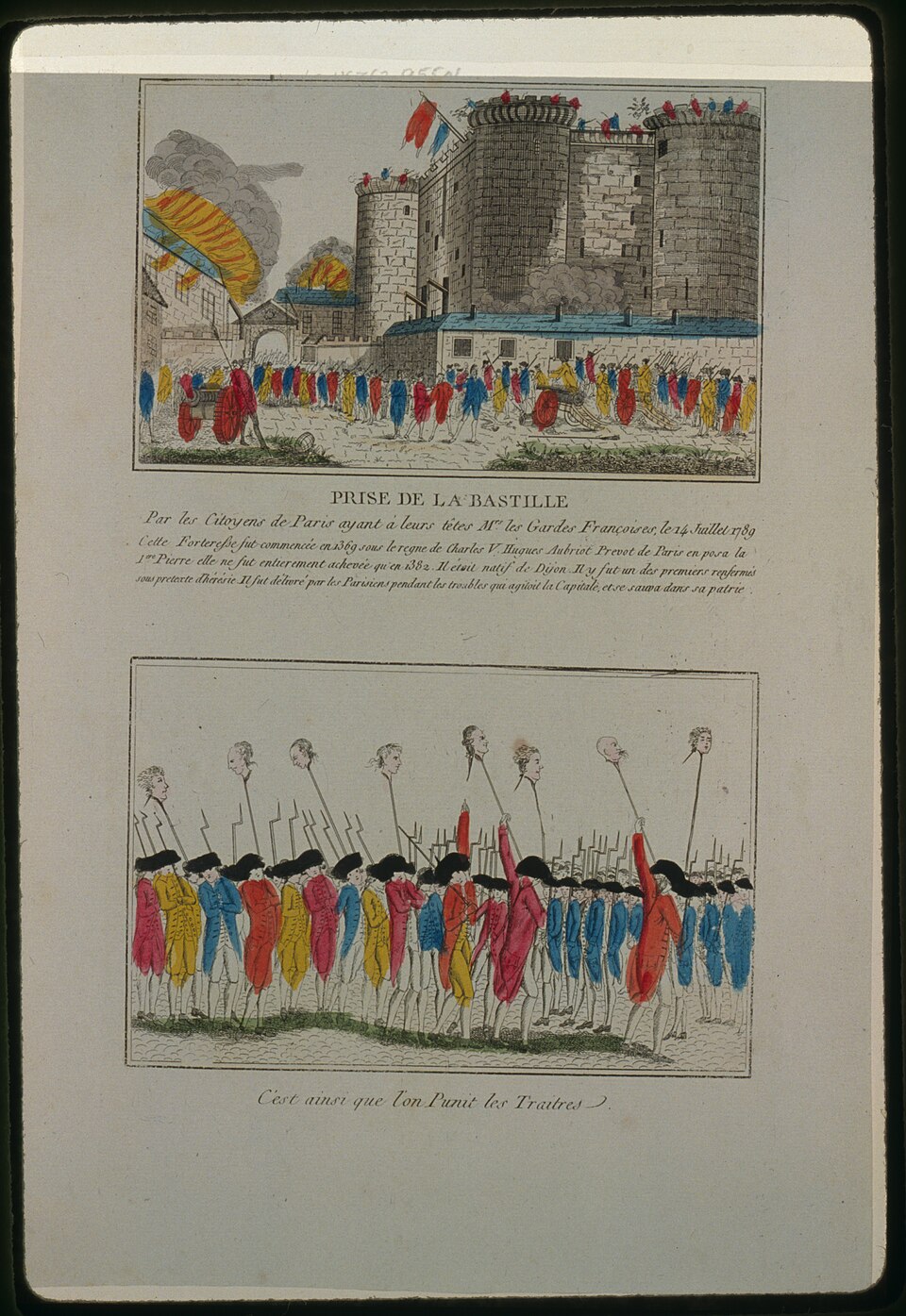
14 July 1789
Storming of the Bastille
The seizure of the Bastille in Paris became one of the defining opening events of the French Revolution and a lasting symbol of the collapse of royal authority.
Image: Library of Congress source; public domain.
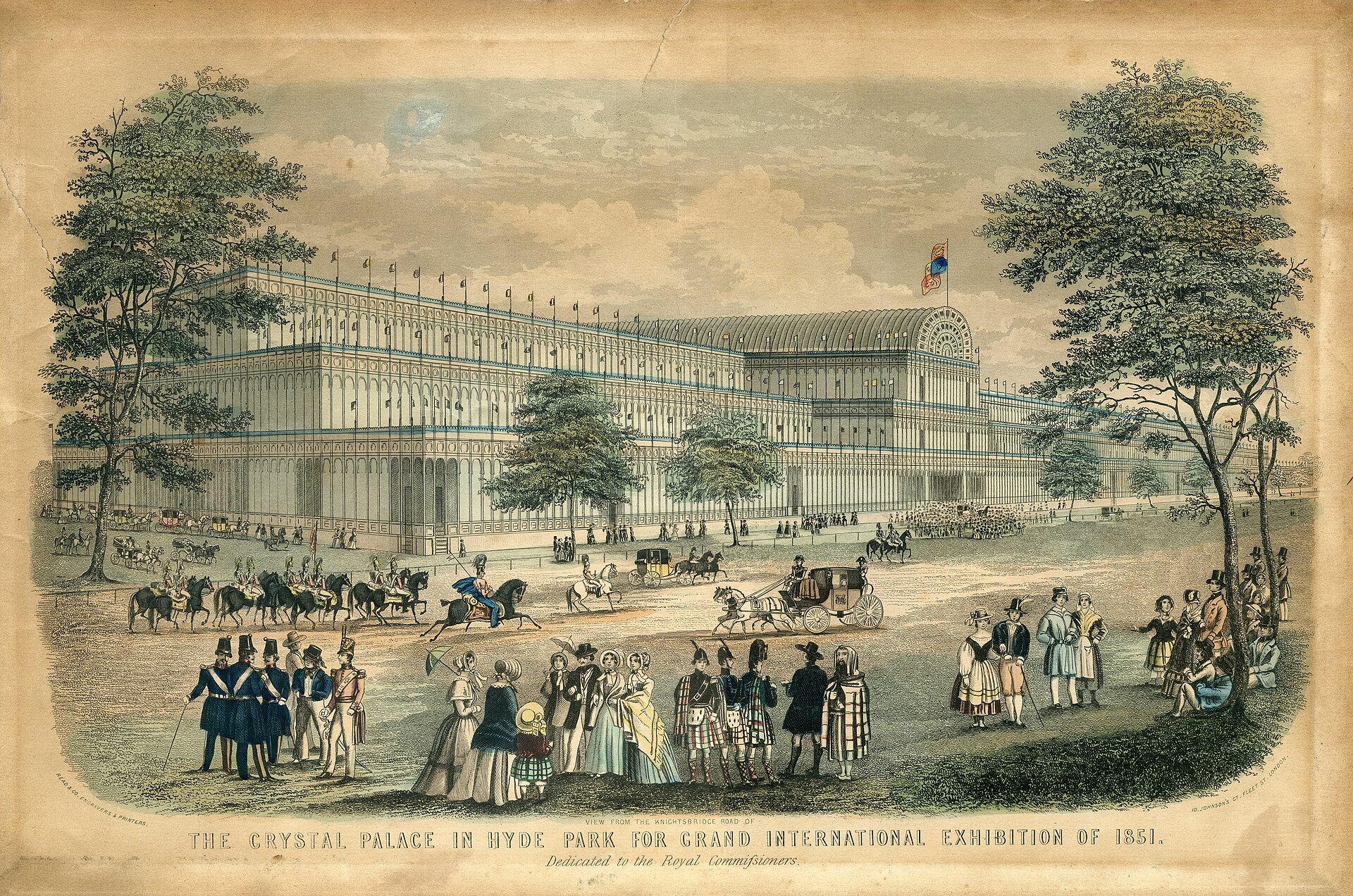
1 May–15 October 1851
The Great Exhibition
The Crystal Palace housed the Great Exhibition of the Works of Industry of All Nations, presenting machinery, manufactured goods and industrial achievement to an international audience.
Image: public domain.
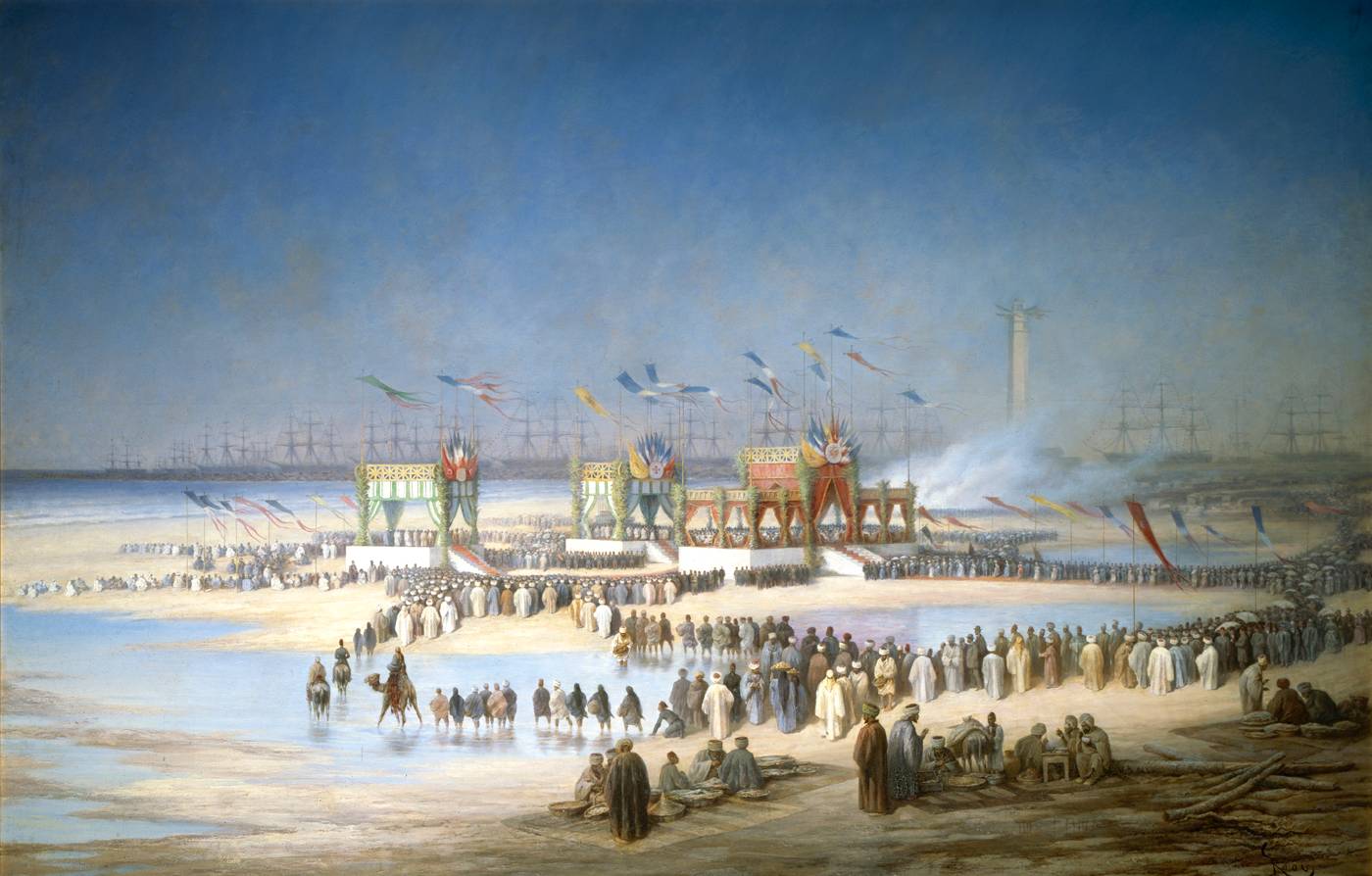
17 November 1869
Inauguration of the Suez Canal
The Suez Canal formally opened to navigation in November 1869, creating a direct maritime link between the Mediterranean and Red seas and reshaping routes between Europe and Asia.
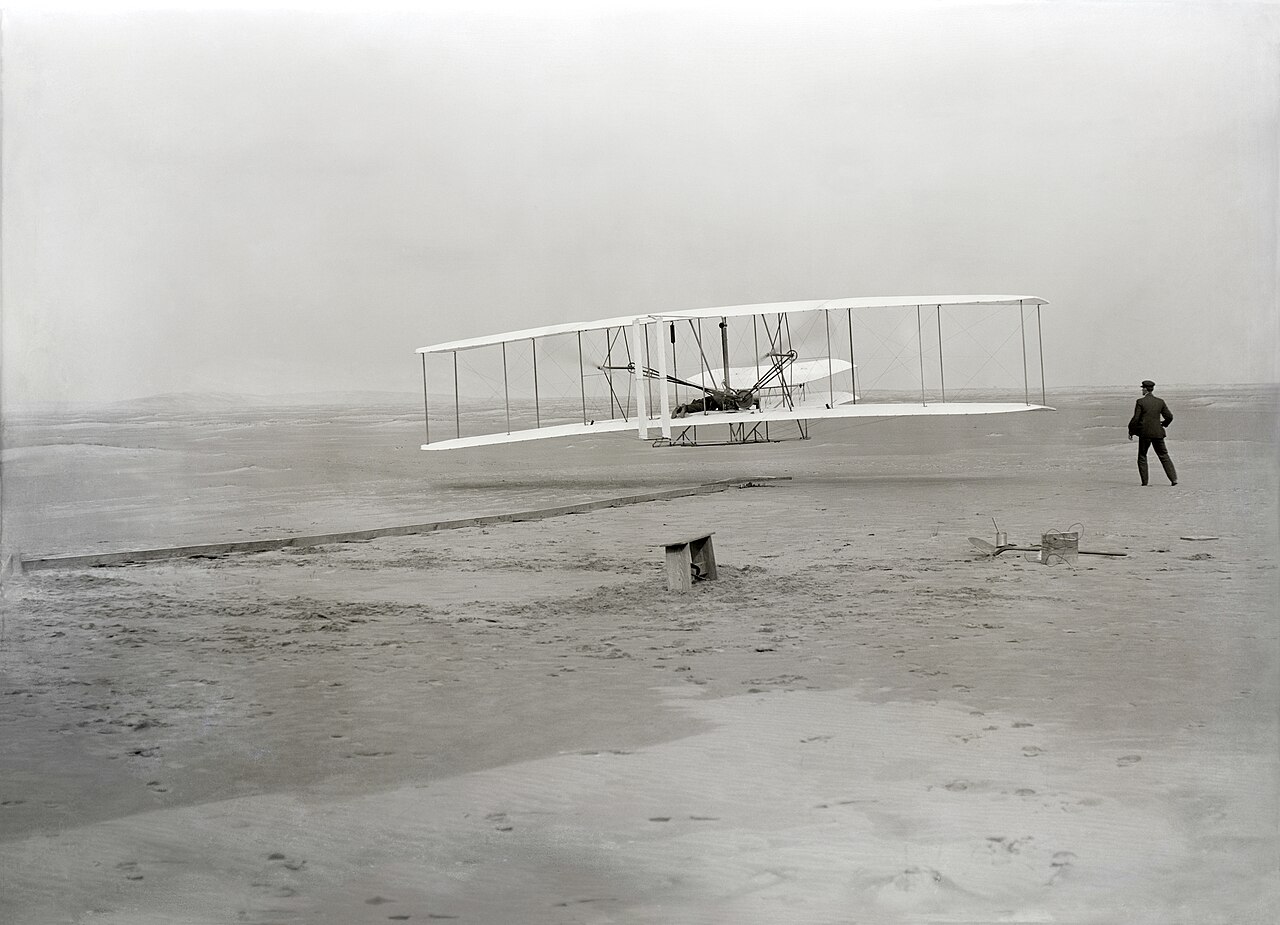
17 December 1903
The Wright brothers' first powered flight
Orville Wright flew the Wright Flyer at Kitty Hawk in the first powered, controlled and sustained aeroplane flight, with Wilbur Wright running alongside.
Image: John T. Daniels; public domain.
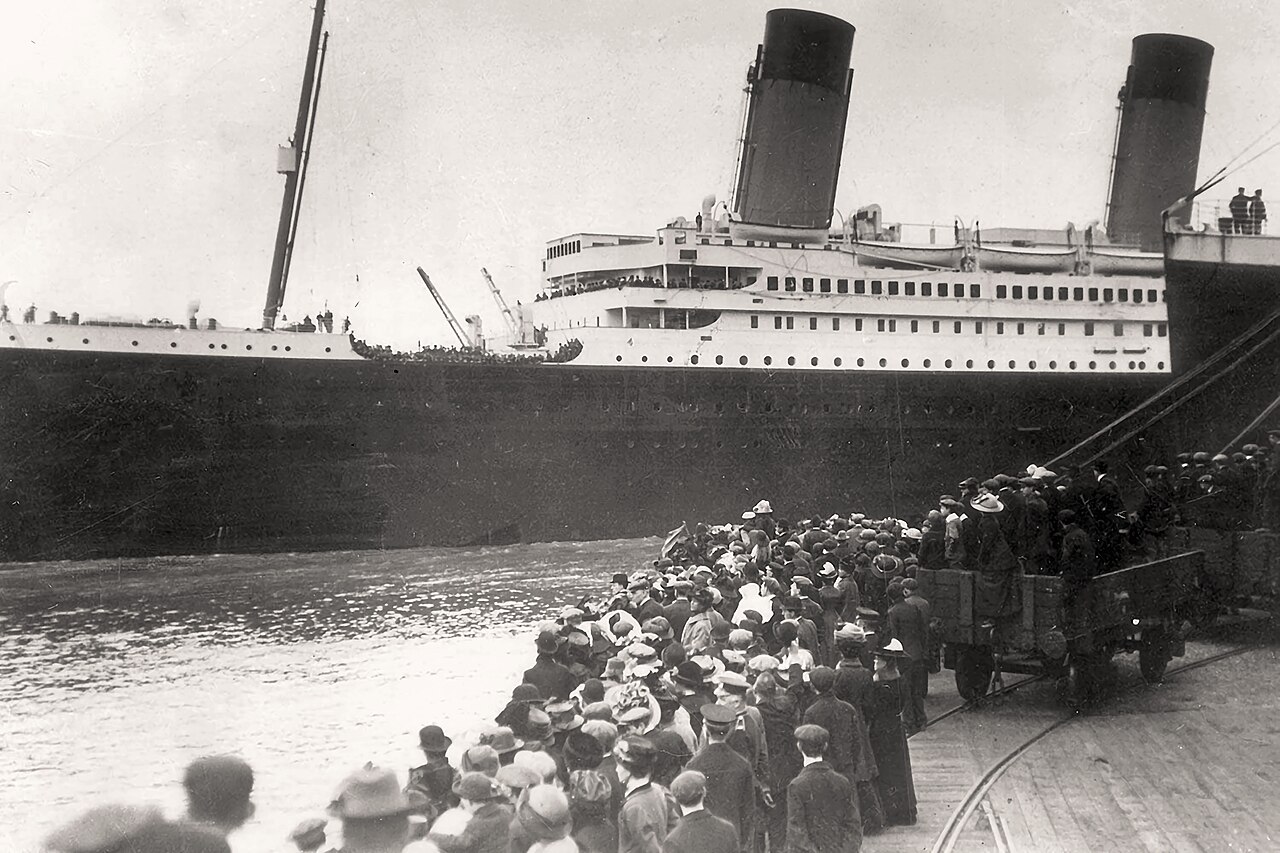
10 April 1912
Titanic departs Southampton
RMS Titanic left Southampton on her maiden voyage for New York. Five days later the liner sank after striking an iceberg in the North Atlantic.
Image: unknown photographer, 1912; public domain.
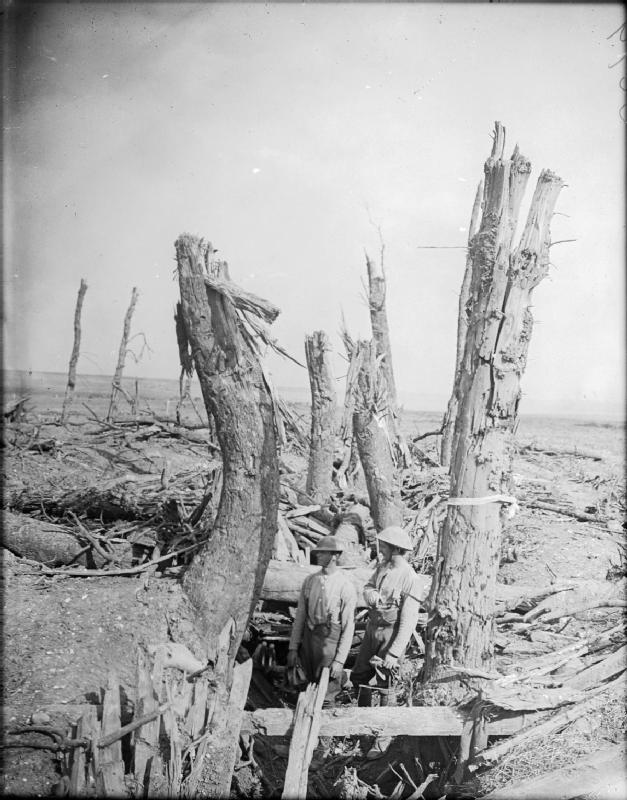
September 1916
Trench warfare on the Somme
Two British soldiers stand in a shattered German trench at Ginchy, showing the destruction and close defensive landscape characteristic of fighting on the Western Front.
Image: John Warwick Brooke / UK Government; public domain.
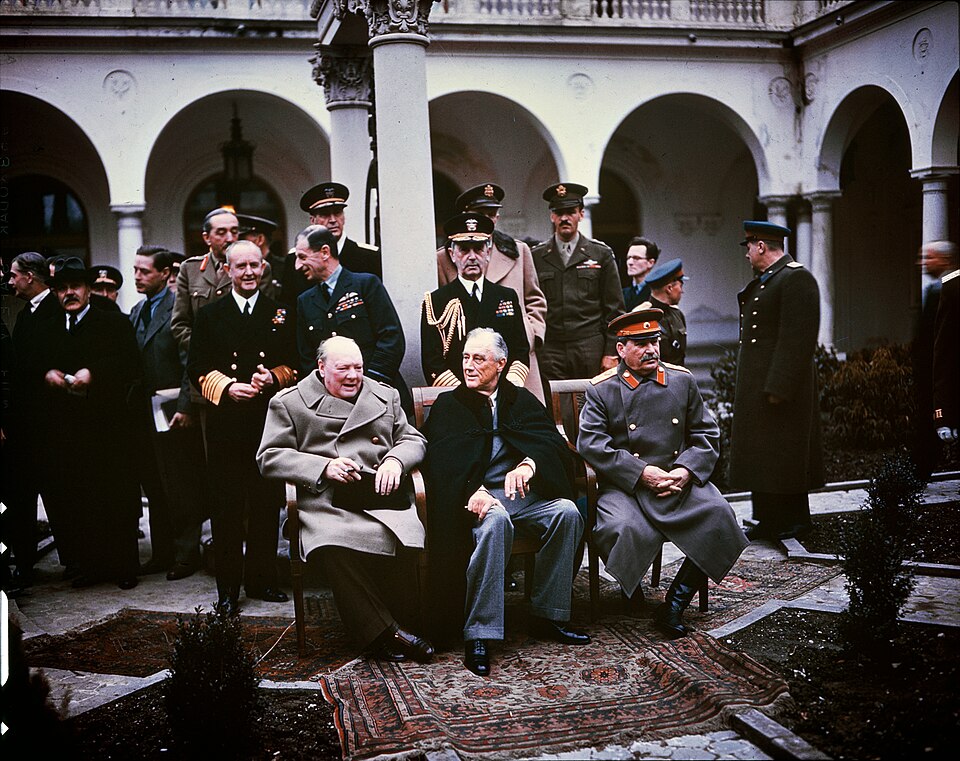
4–11 February 1945
The Yalta Conference
Churchill, Roosevelt and Stalin met in Crimea to coordinate the final defeat of Nazi Germany and negotiate major questions about post-war Europe and international security.
Image: U.S. Army Signal Corps; public domain.
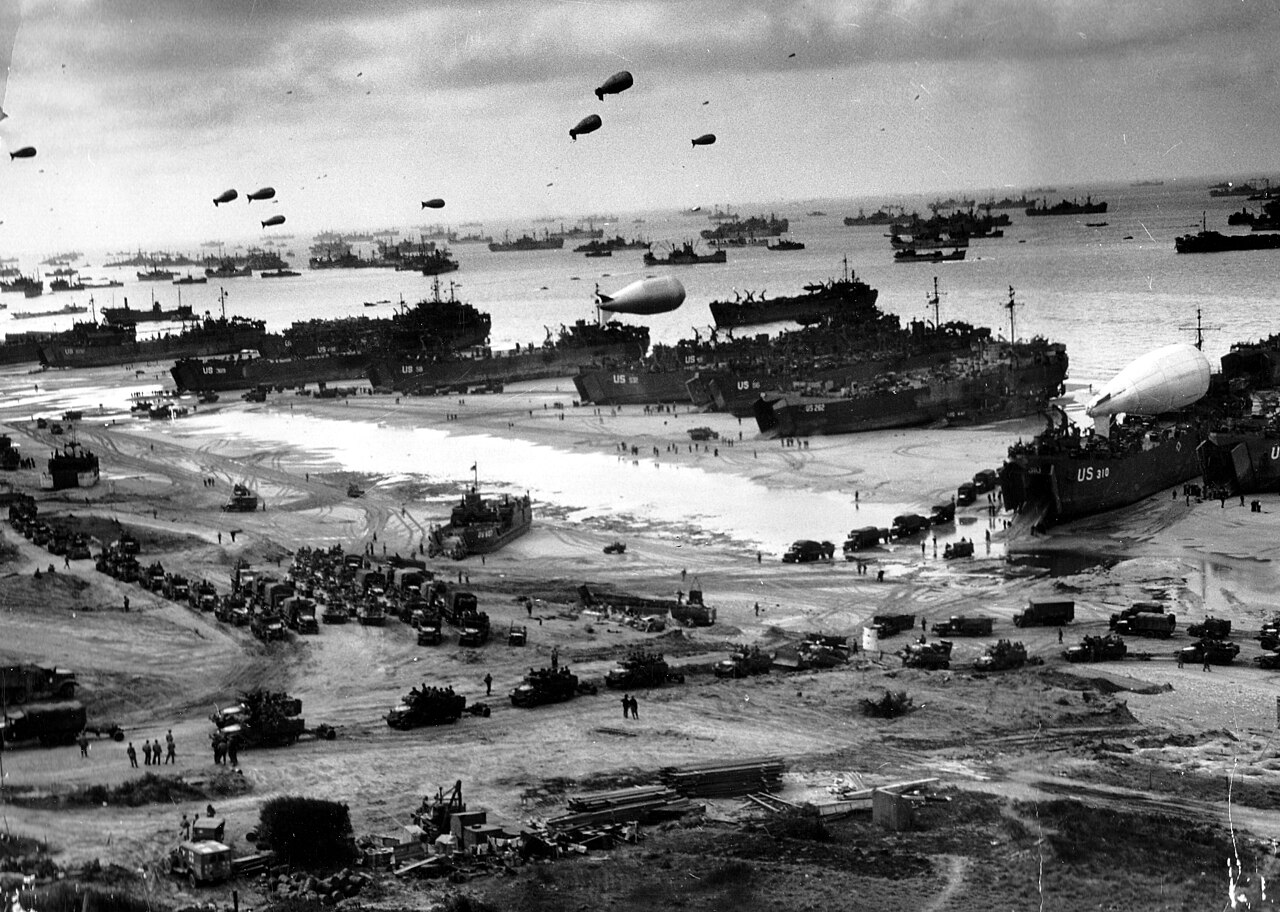
June 1944
D-Day and the Normandy invasion
Allied forces established and supplied beachheads in Normandy after the 6 June 1944 landings, opening the campaign that led to the liberation of Western Europe.
Image: U.S. Coast Guard; public domain.
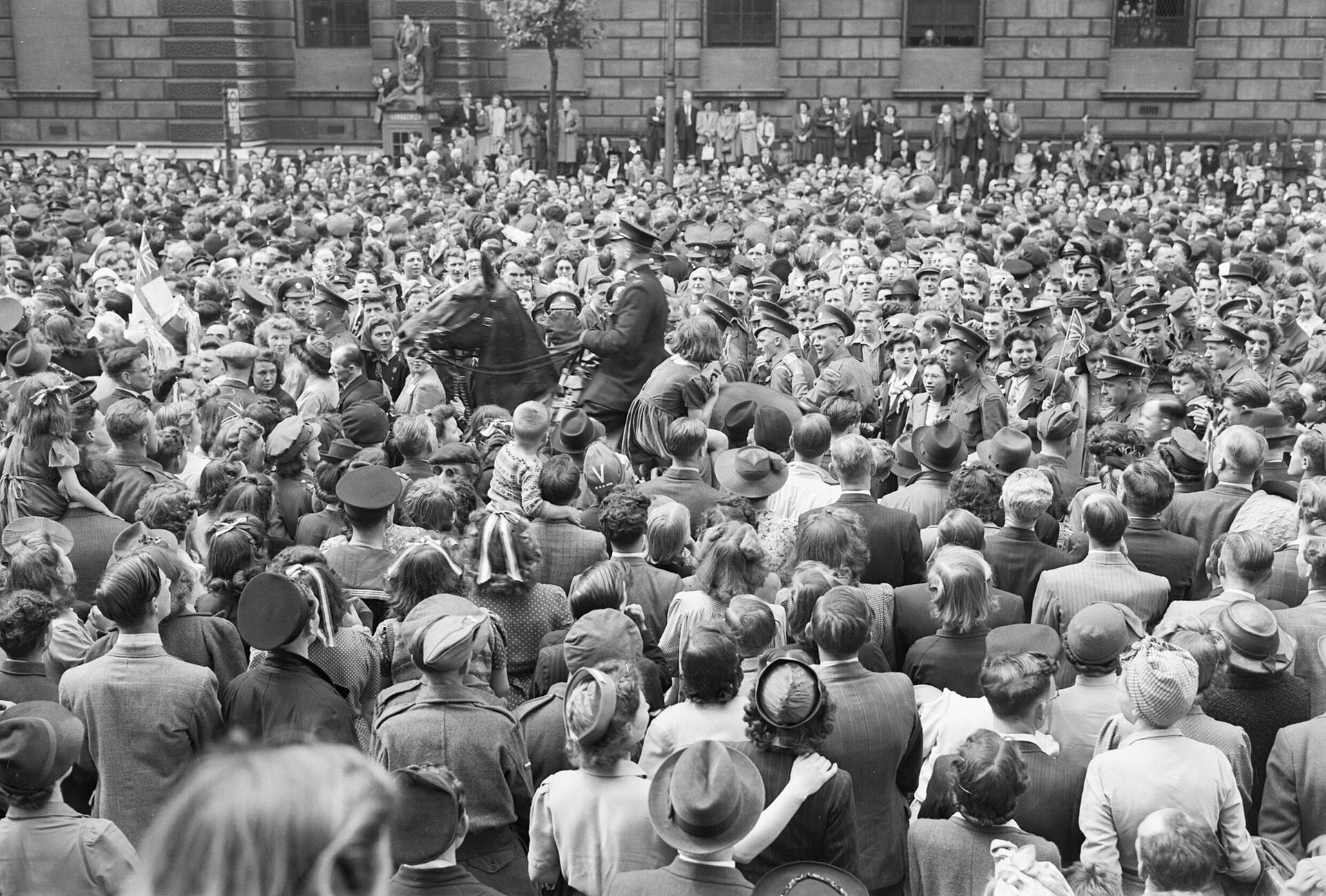
8 May 1945
Victory in Europe Day
Crowds filled Whitehall and central London after Germany's surrender ended the Second World War in Europe, while the war against Japan continued in the Pacific.
Image: UK Government work; Crown copyright expired, public domain.
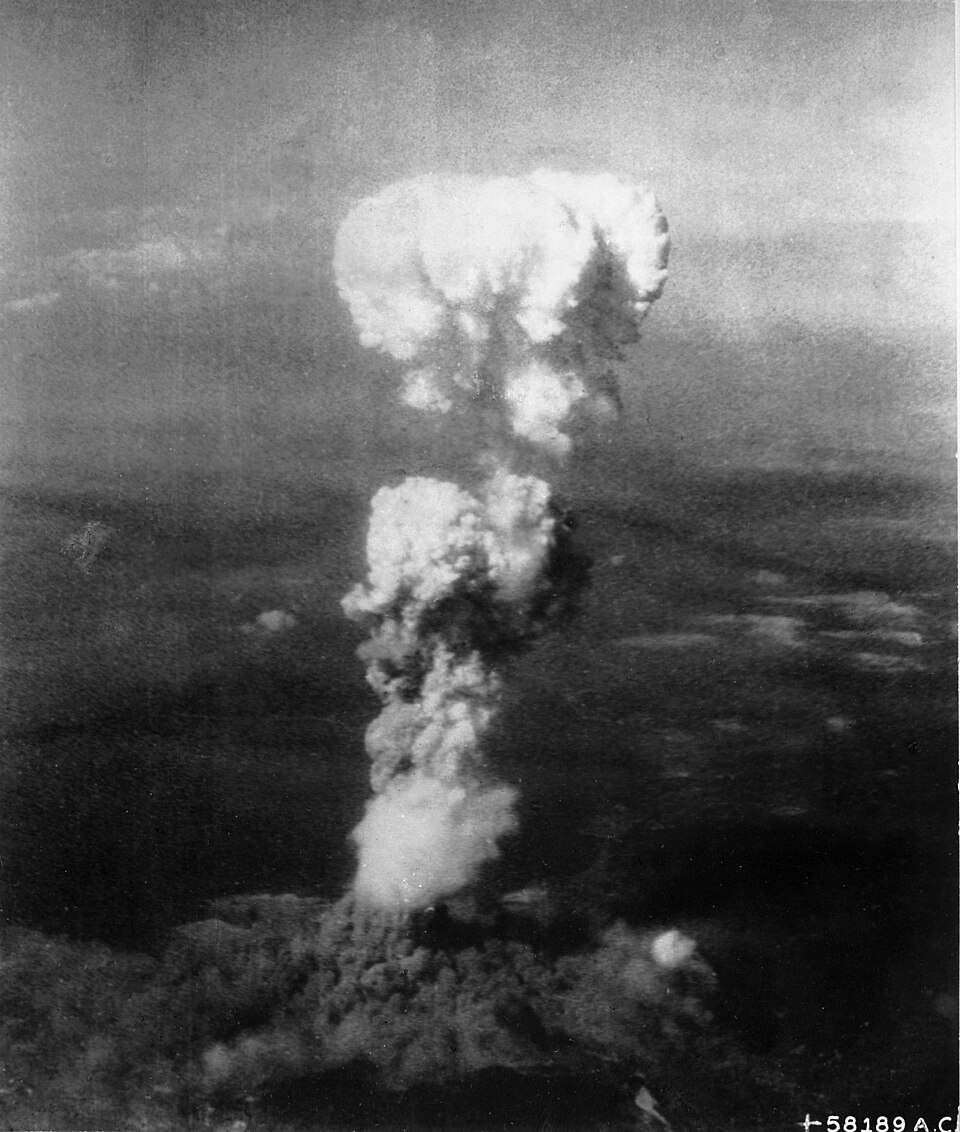
6 August 1945
Atomic bombing of Hiroshima
The United States dropped the atomic bomb Little Boy on Hiroshima, producing a vast mushroom cloud and catastrophic destruction during the final weeks of the Second World War.
Image: George R. Caron / U.S. military; public domain.
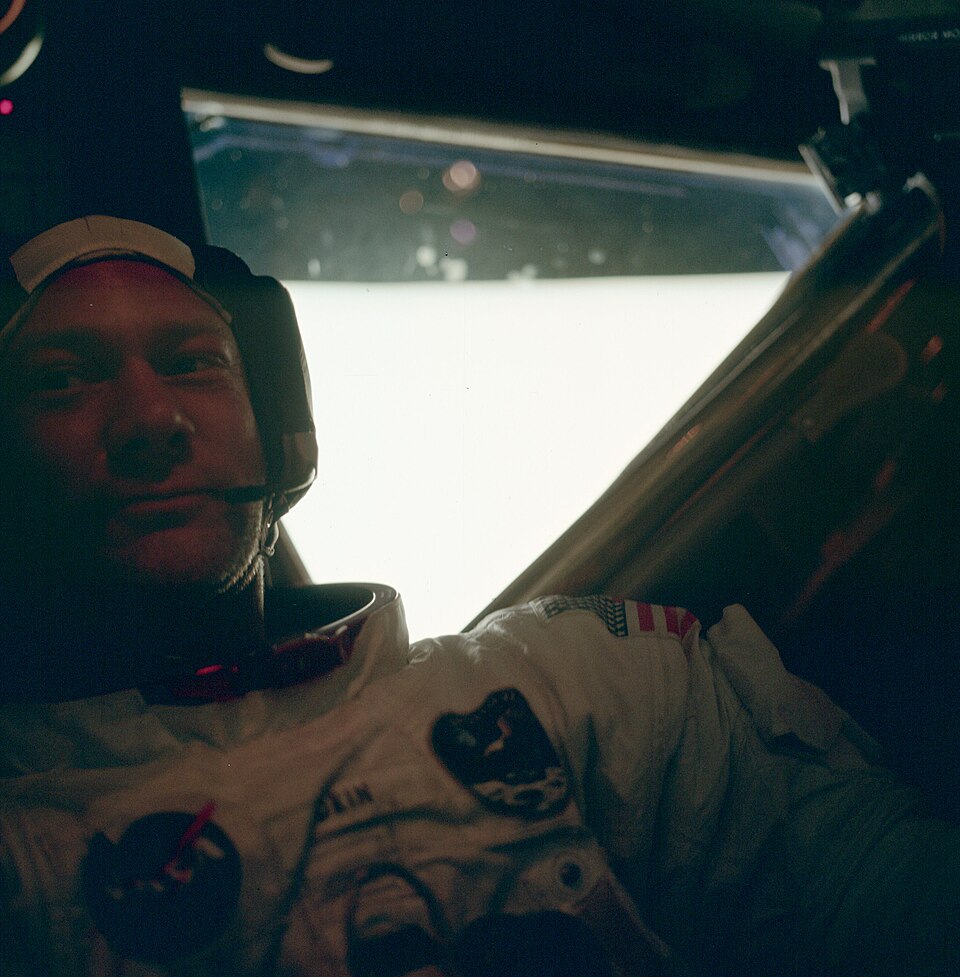
July 1969
Apollo 11 and the Moon landing
Buzz Aldrin is pictured inside the Lunar Module Eagle after the lunar surface EVA, during the mission that placed the first humans on the Moon.
Image: NASA; public domain in the United States.
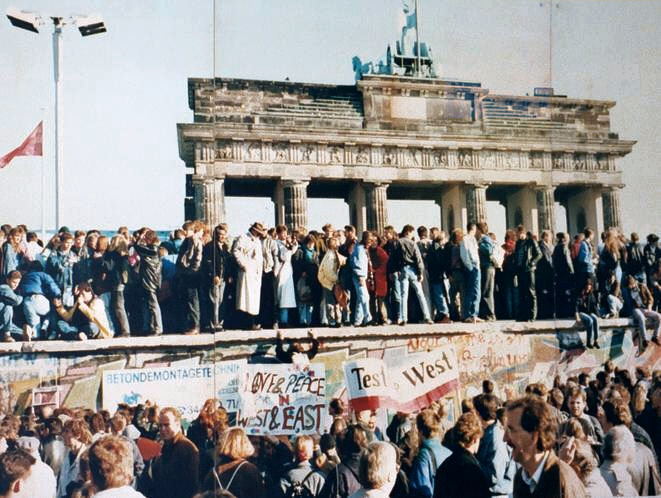
November 1989
Fall of the Berlin Wall
The opening of East Germany's border crossings allowed Berliners to move freely across the divided city, accelerating the collapse of communist rule in Eastern Europe and German reunification.
Image reproduction: freely licensed; see linked Wikimedia Commons source for attribution and licence terms.
Historical image credits and licences
- Storming of the Bastille: unknown artist, 1789; Library of Congress source — public domain. Source record.
- Great Exhibition: Read & Co., 1851 — public domain. Source record.
- Suez Canal opening: Édouard Riou, 1869 — public domain. Source record.
- Wright first flight: John T. Daniels, 1903 — public domain. Source record.
- Titanic departure: unknown photographer, 10 April 1912 — public domain. Source record.
- Ginchy trench: John Warwick Brooke, September 1916; UK Government / Imperial War Museums collection — public domain. Source record.
- Yalta Conference: U.S. Army Signal Corps, February 1945 — U.S. federal government work, public domain. Source record.
- Normandy invasion: U.S. Coast Guard, June 1944 — U.S. federal government work, public domain. Source record.
- VE Day: Ministry of Information photograph, Imperial War Museums collection — UK Crown copyright expired; public domain. Source record.
- Hiroshima atomic cloud: George R. Caron / U.S. military, 6 August 1945 — public domain. Source record.
- Apollo 11: NASA, July 1969 — public domain in the United States. Source record.
- Berlin Wall: reproduction by Lear 21 at English Wikipedia — CC BY-SA 3.0. Source record.
About this resource
About the World History Database
The World History Database is an independently maintained research database for exploring historical events by date, person, place, country, event and subject category. It combines structured records with specialist historical collections so researchers can move from a broad search to a focused chronology or topic archive.
The database is owned and maintained by Malcolm Badley, [email protected]. Records are organised to support cross-referencing between people, events, locations and periods rather than presenting isolated search results.
For chronological research, use the World History Chronology or browse historical events. For research centred on people and locations, use the biography search, date search and place search.
Specialist collections provide deeper context for major subjects, including First World War battles, Second World War battles, D-Day, the French Revolution, the Russian Revolution, Brunel and Victorian engineering, RMS Titanic and astronomy and space history.