1769–1864 · Two generations of engineering

Brunel Engineering Timeline

Marc Isambard Brunel was a French-born engineer whose career took him from naval service and surveying to Britain, where he developed the Portsmouth block-making machinery and the tunnelling shield used for the Thames Tunnel. His son, Isambard Kingdom Brunel, grew from work on that tunnel into one of the defining engineers of the railway age, designing the Great Western Railway, major bridges and tunnels, pioneering steamships and military medical infrastructure.

Together their work connects early industrial mass production with Victorian railways, iron ships and large civil-engineering structures. This page searches all 721 records supplied to the World History Database.

Marc Isambard Brunel 1769–1849 Isambard Kingdom Brunel 1806–1859 653 records Tunnels · Railways · Bridges · Ships
Portrait of Sir Marc Isambard Brunel

Marc Isambard Brunel

Engineer of the Portsmouth machinery and Thames Tunnel. Image source

Portrait of Isambard Kingdom Brunel

Isambard Kingdom Brunel

Railway, bridge and steamship engineer. Image source

Brief history

Father and son

The database follows both Brunels from Marc's French and American career into their shared Thames Tunnel work and Isambard Kingdom Brunel's later railway, bridge and maritime projects.

Marc Isambard Brunel

Born in Normandy in 1769, Marc served in the French Navy, worked as a surveyor and engineer in North America, then settled in Britain. His Portsmouth Block Mills machinery mechanised naval pulley-block production. He patented the tunnelling shield in 1818 and led the Thames Tunnel project beneath the River Thames, a landmark in subterranean engineering.

Isambard Kingdom Brunel

Born at Portsea in 1806, Isambard worked with his father on the Thames Tunnel before becoming an independent engineer. His work included the Great Western Railway, Box Tunnel, Paddington, the Clifton and Royal Albert bridges, SS Great Western, SS Great Britain and SS Great Eastern, as well as the prefabricated Renkioi Hospital.

Engineering projects and subject pagesBrunel EventsExpand section

Explore major engineering works and all unique Brunel subject pages. Select any card to open its dedicated static history page.

1802–1808

Portsmouth Block Mills

Marc Brunel's mechanised system for manufacturing Royal Navy pulley blocks became an early example of industrial mass production.

Read subject page →
1823–1843

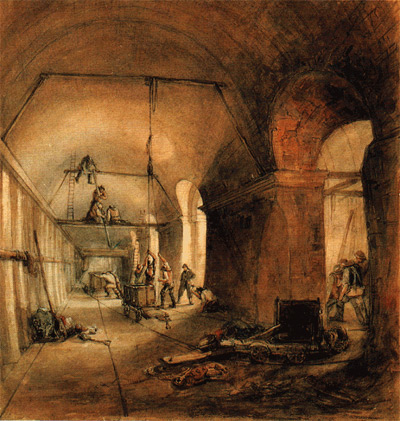
Thames Tunnel

Marc's tunnelling shield and the engineering work of both father and son produced the pioneering river tunnel between Rotherhithe and Wapping.

Read subject page →
1829–1864

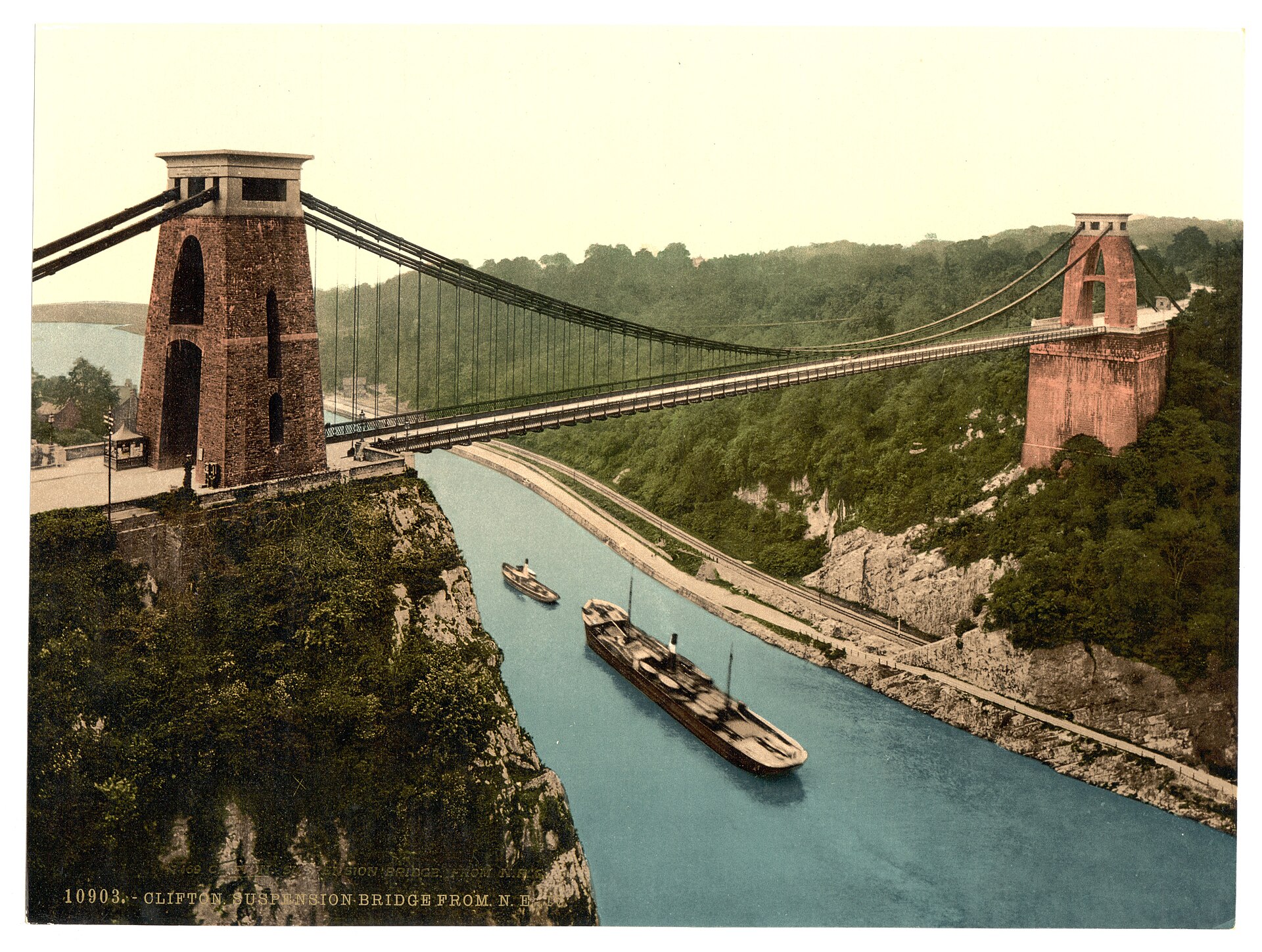
Clifton Suspension Bridge

Isambard Kingdom Brunel's Avon Gorge design remained unfinished at his death and was completed as a memorial to him.

Read subject page →
1833–1841

Great Western Railway

Brunel surveyed and engineered the broad-gauge main line linking London and Bristol, including major bridges, viaducts and tunnels.

Read subject page →
1836–1841

Box Tunnel

A major Great Western Railway tunnel through Box Hill and one of the longest railway tunnels of its period.

Read subject page →
1838–1854

Paddington Station

Brunel's London terminus developed from an early temporary station into the great wrought-iron and glazed train shed.

Read subject page →
1837–1838

SS Great Western

The wooden paddle steamship demonstrated the commercial practicality of regular transatlantic steam navigation.

Read subject page →
1839–1847

SS Great Britain

A pioneering iron-hulled screw-propelled transatlantic steamship, launched at Bristol in 1843.

Read subject page →
1844–1848

Atmospheric Railway

Brunel experimented with stationary engines and vacuum traction on the South Devon Railway before high operating costs forced abandonment.

Read subject page →
1848–1859

Royal Albert Bridge

The Saltash crossing combined tubular compression arches and suspension chains to carry the Cornwall Railway across the Tamar.

Read subject page →
1852–1858

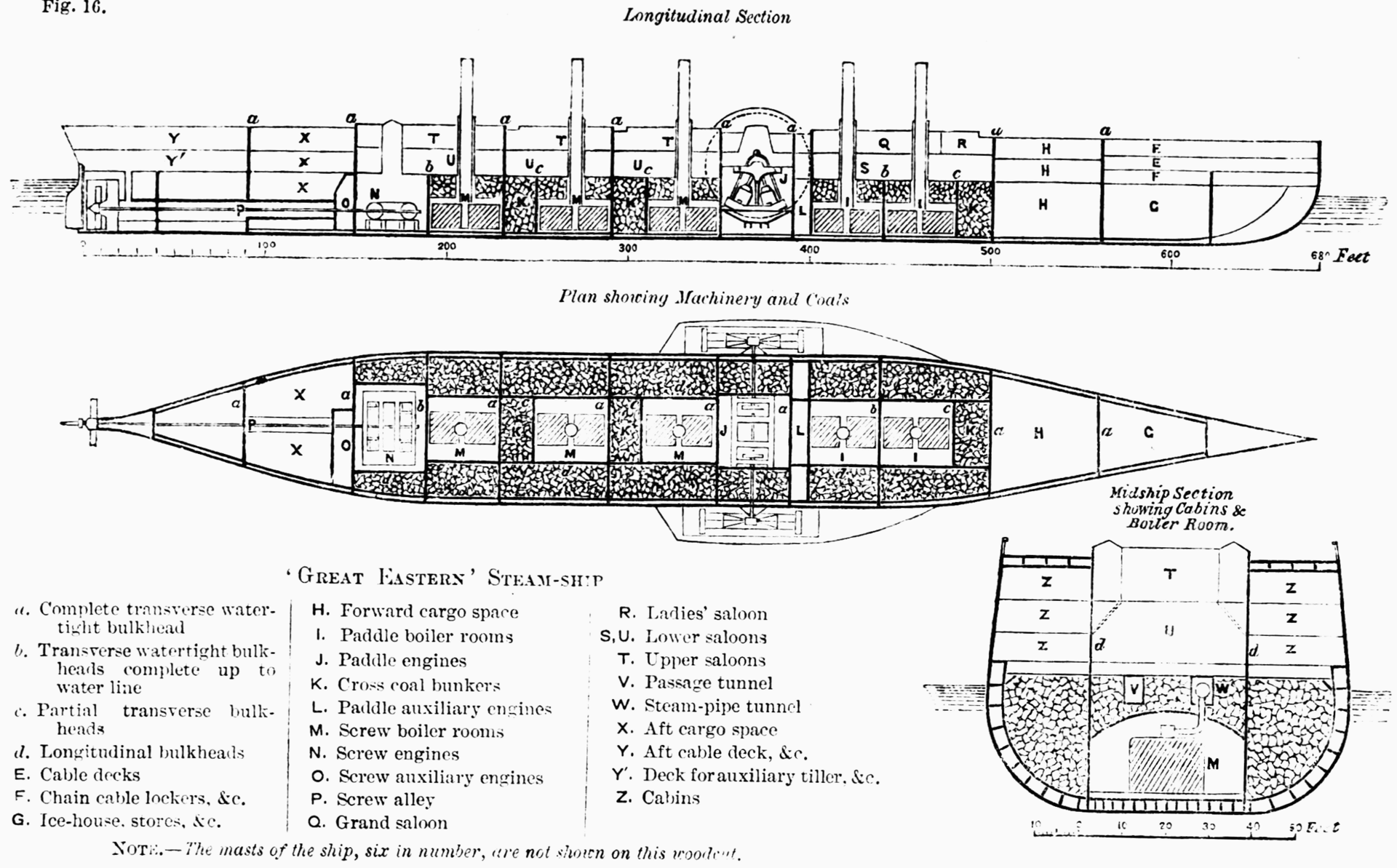
SS Great Eastern

Brunel's enormous iron steamship combined screw and paddle propulsion and represented the largest scale of his maritime engineering.

Read subject page →
1855

Renkioi Hospital

A rapidly designed prefabricated hospital system for British forces during the Crimean War, with modular wards and planned sanitation.

Read subject page →
Steamship history · 1839–2006SS Great BritainExpand section

Explore the steamship's construction, Atlantic and Australian voyages, later cargo service, rescue and preservation.

Read the complete SS Great Britain chronology →

The dedicated historical subject page includes the supplied records and a sourced historical image.

Steamship history · 1836–1856SS Great WesternExpand section

Explore the design, construction, inaugural Atlantic crossing, passenger service and later Royal Mail career of Brunel’s pioneering paddle steamship.

Read the complete SS Great Western chronology →

The static subject page includes the supplied records and a sourced historical picture.

Brunel engineering heritageClifton Suspension BridgeExpand section

Explore the bridge competition, construction, completion, opening and later conservation history.

View the Clifton Suspension Bridge history and records →

Sources and editorial reviewSources and further readingShow / hide

Compiled and edited by World History Database

The historical overview provides editorial context for the site's 653 structured Brunel records. The chronology preserves the database's stored dates, people, places, projects and descriptions.

Last reviewed: September 2026.

Provenance

This Brunel engineering chronology is compiled and edited by World History Database from its structured historical-events dataset. The page includes 721 records concerning Marc Isambard Brunel, Isambard Kingdom Brunel and related engineering works. Dates, names, places and descriptions reflect the underlying records; historical background provides additional editorial context.

Historical images are identified and credited alongside their captions. Further-reading links appear in the collapsible Sources and further reading section above. The records and commentary may be reviewed and corrected as additional historical evidence becomes available.

Site owner: Malcolm Badley · [email protected]