Historical place database · cities, countries and locations
Search Historical Events by Place
Search structured World History Database records by country and place, then narrow by event, historical category, person or year. Results show the recorded date, people, event and description for each matching location.
Crawlable place archive
Browse history by place
Open a country hub, then choose a city, battlefield, capital, region or other recorded location. These are ordinary HTML links to permanent pages whose historical records are written into the initial HTML.
Choose a place-based search path
Start with Country, then move from left to right through Event, General, Name or Year. Each later dropdown stays locked until the preceding selection is made.
How the dropdown cascades work
Country → Place → Event. Event contains only records from the selected place.
Country → Place → General → General Sub-Set. Categories are restricted to the selected place.
Country → Place → Name2 → Name1. Name1 contains only people matching the selected Name2.
Country → Place → Year. Year contains only years that have records at the selected place.
Country, Place, Event, General, General Sub-Set, Name2 and Name1 are divided into A–Z sections.
Year is the exception: it remains in chronological numeric order rather than alphabetic groups.
Choose Country in one of the four place-based cascades, then work from left to right.
| Month | Day | Place | Name1 | Name2 | Event | Description |
|---|
Search historical records by location
Use Place and Event to choose an event recorded at a location, or Place and Name to narrow the people recorded there from Name2 to Name1. Text dropdowns are divided into alphabetical sections.
Use Place and General to choose categories found at a location, or Place and Year to choose from only the years that contain records at that place. Year remains in chronological order.
Results exclude records with no Place value. They are grouped into year sections, and the Place column is hidden when one specific place is selected.
Places in pictures
Historical places represented in the database
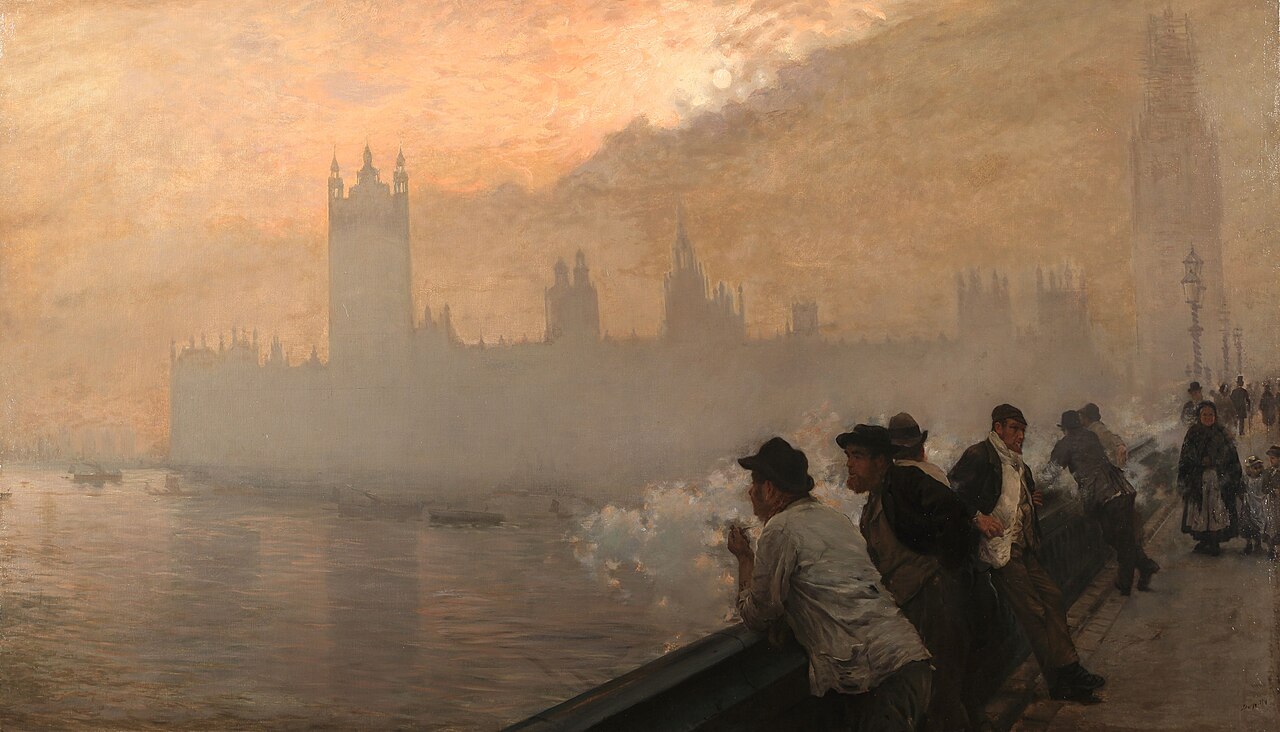
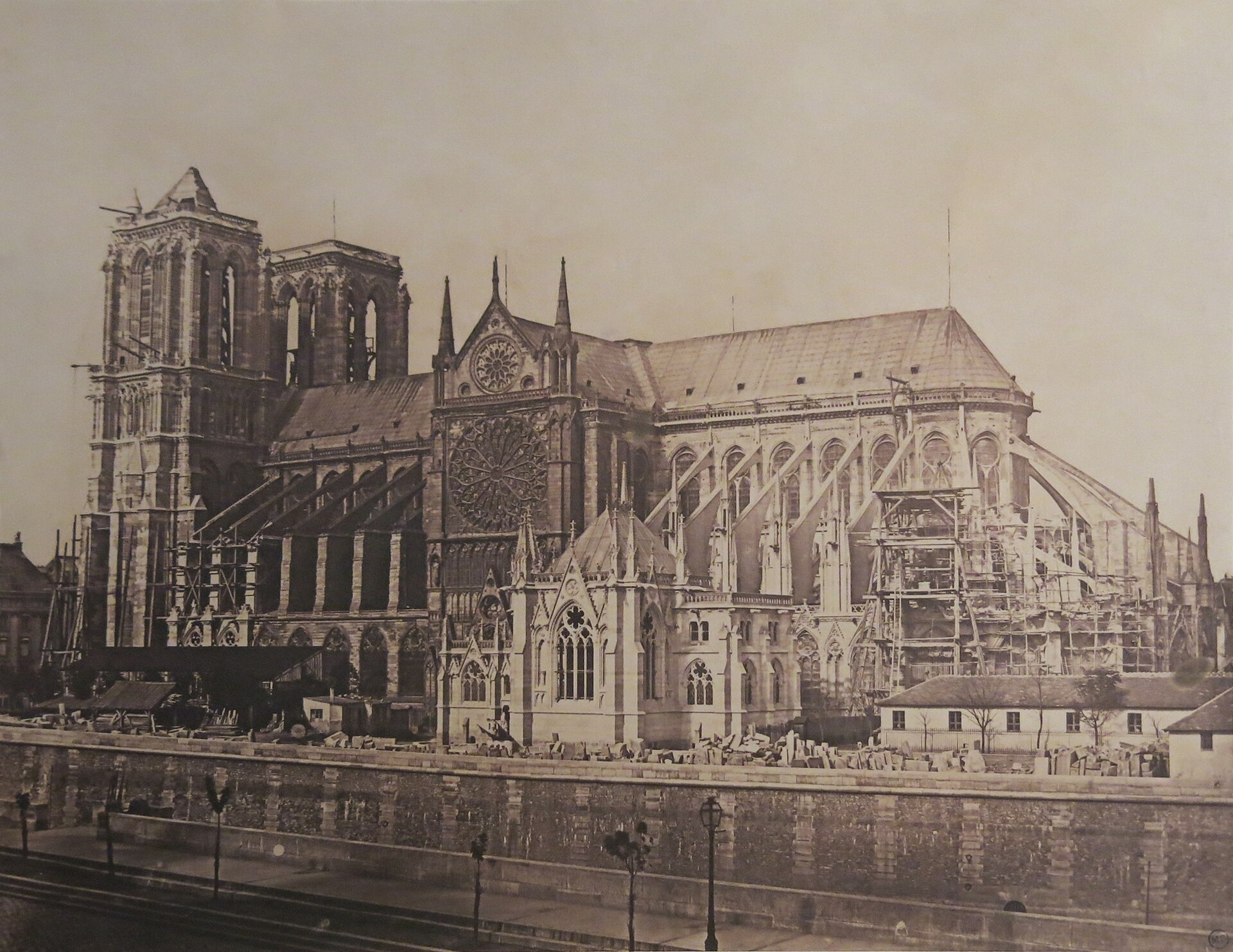
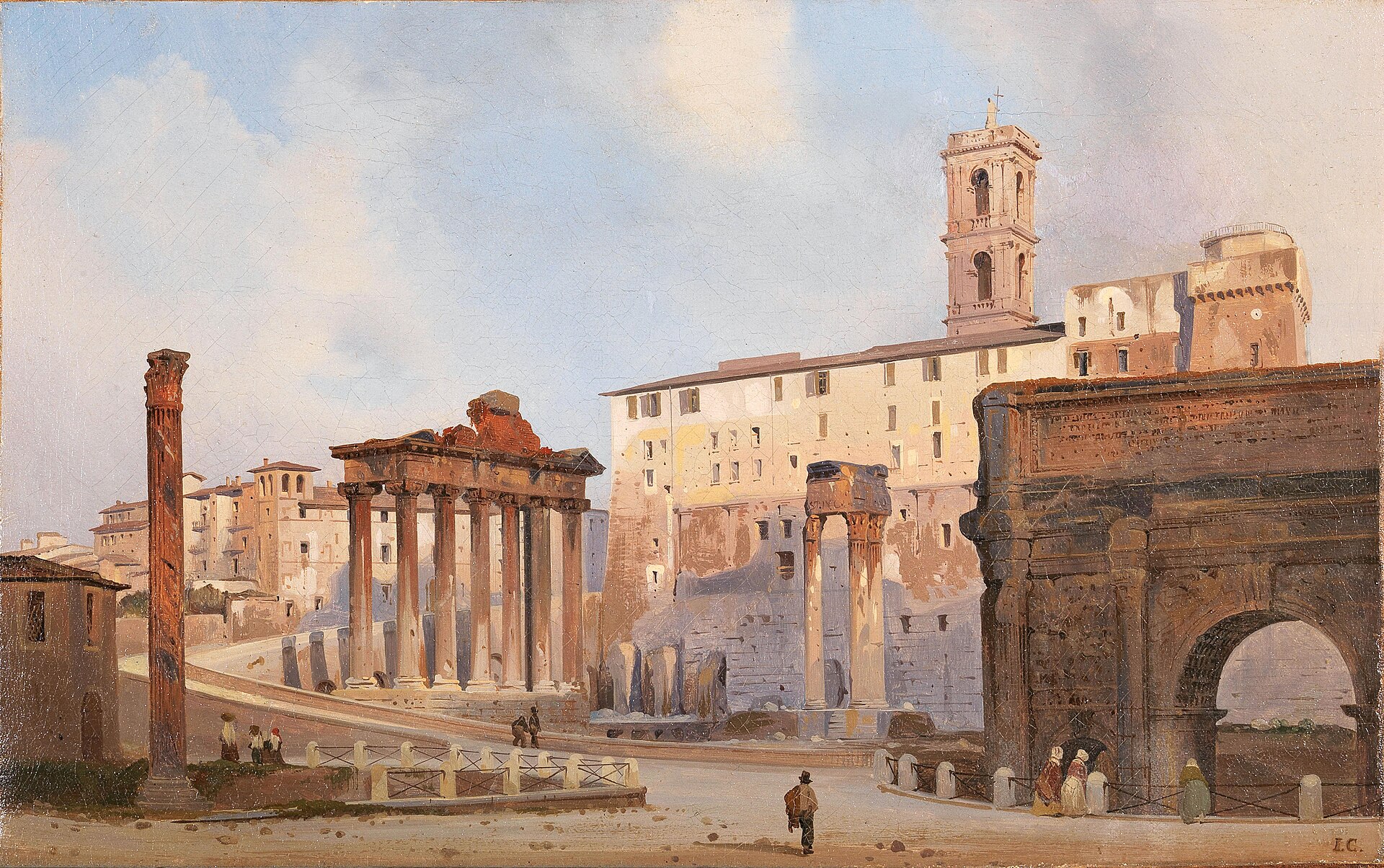
Place search connects dated events and historical people with the locations where they happened. These images provide visual context for three heavily documented cities in the database.
Research tools
Explore related World History Database tools
Provenance
Database and image provenance
Historical records
The World History Database is a structured historical index. Place records are stored with fields including year, country, historical categories, personal names, event, place, date ranges, day, month and description. The Place Search page retrieves those stored records rather than generating historical events on demand.
Place names, dates, people and event descriptions are reviewed and normalised as the database develops. Historical place names can change over time, so the place recorded in an entry may use a conventional historical name rather than a modern administrative boundary.
Source provenance varies by record. For formal academic citation, database entries should be checked against the relevant primary source, archive, museum collection or specialist historical reference.
Image sources and rights
- London: The Palace of Westminster, London (1878), Giuseppe De Nittis. Public-domain work and public-domain reproduction. Wikimedia Commons source.
- Paris: Cathédrale Notre-Dame de Paris pendant les travaux de restauration (1850), by Hippolyte Bayard, circa 1850. Public-domain image on Wikimedia Commons. Wikimedia Commons source.
- Rome: The Roman Forum, by Ippolito Caffi, nineteenth century. Public-domain artwork and public-domain reproduction on Wikimedia Commons. Wikimedia Commons source.


Images are stored locally on HistorySearch.co.uk for page performance. Source links above identify the originating collection and reuse status. Page reviewed .