01
Unit 4 operators
Records for Anatoly Dyatlov, Alexander Akimov, Leonid Toptunov and other plant personnel during the failed test and immediate emergency.
Explore a structured archive of people and events connected with Unit 4, the first emergency response, plant operators, firefighters, Soviet government decisions, cleanup workers, international nuclear-safety action and the longer aftermath.
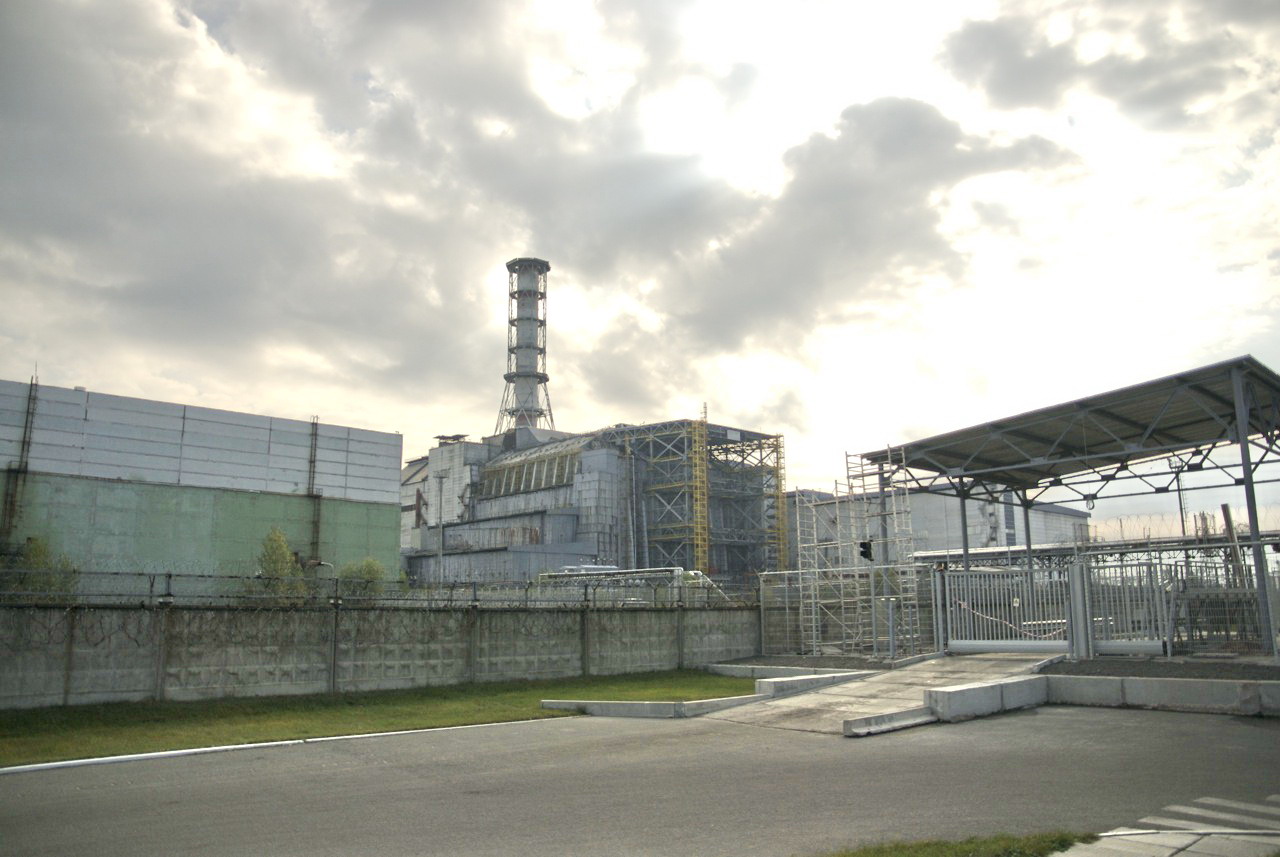
The collection follows the accident through individuals named in the database, from control-room staff and firefighters to government officials, scientists, military cleanup personnel and the IAEA.
Records for Anatoly Dyatlov, Alexander Akimov, Leonid Toptunov and other plant personnel during the failed test and immediate emergency.
First-night firefighting includes Vladimir Pravik, Viktor Kibenok, Leonid Telyatnikov and other responders exposed around Units 3 and 4.
The archive includes Mikhail Gorbachev, Boris Shcherbina, Ivan Silayev, Valery Legasov and state response measures.
Hans Blix and IAEA records trace the international review, notification reforms and longer-term nuclear-safety consequences.
These entries are rendered directly in the HTML so search engines can crawl representative historical content before the interactive archive loads.
Receives initial government briefings as Soviet authorities begin assessing the scale of the Chernobyl reactor accident.
Initiates the emergency reactor shutdown sequence as Unit 4 conditions rapidly deteriorate.
Remains in the Unit 4 control room as the turbine rundown test begins at 01:23.
Responds when reactor power unexpectedly falls to a very low level during transfer of the regulating system.
Is killed when the Unit 4 explosion destroys part of the main circulation pump building.
Takes overall command of firefighting operations around Units 3 and 4 during the early morning emergency.
Arrives at the plant after the Unit 4 explosion and takes part in the emergency management response.
Leads one of the first firefighting crews to reach the damaged Unit 4 complex after the alarm.
Is appointed chairman of the Soviet Government Commission created to investigate and manage the Chernobyl disaster.
Leads the Soviet technical presentation on the accident at the IAEA Post-Accident Review Meeting in Vienna.
The Convention on Early Notification of a Nuclear Accident opens for signature after Chernobyl exposes weaknesses in international accident reporting.
Oversees completion of the main roof-debris removal operation so work on enclosing the destroyed reactor can continue.
Receives reports on completion of the initial shelter constructed over the destroyed Unit 4 reactor.
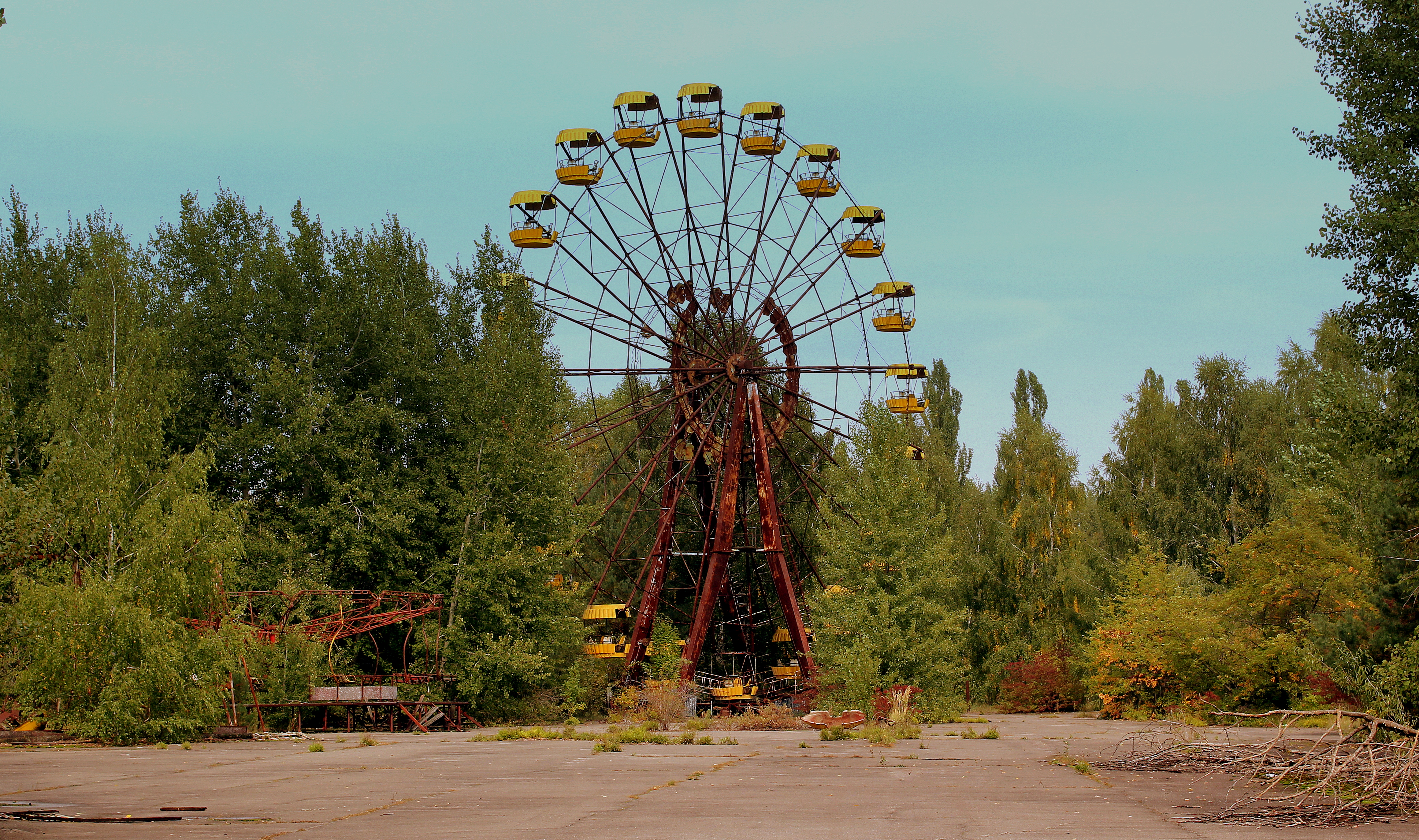
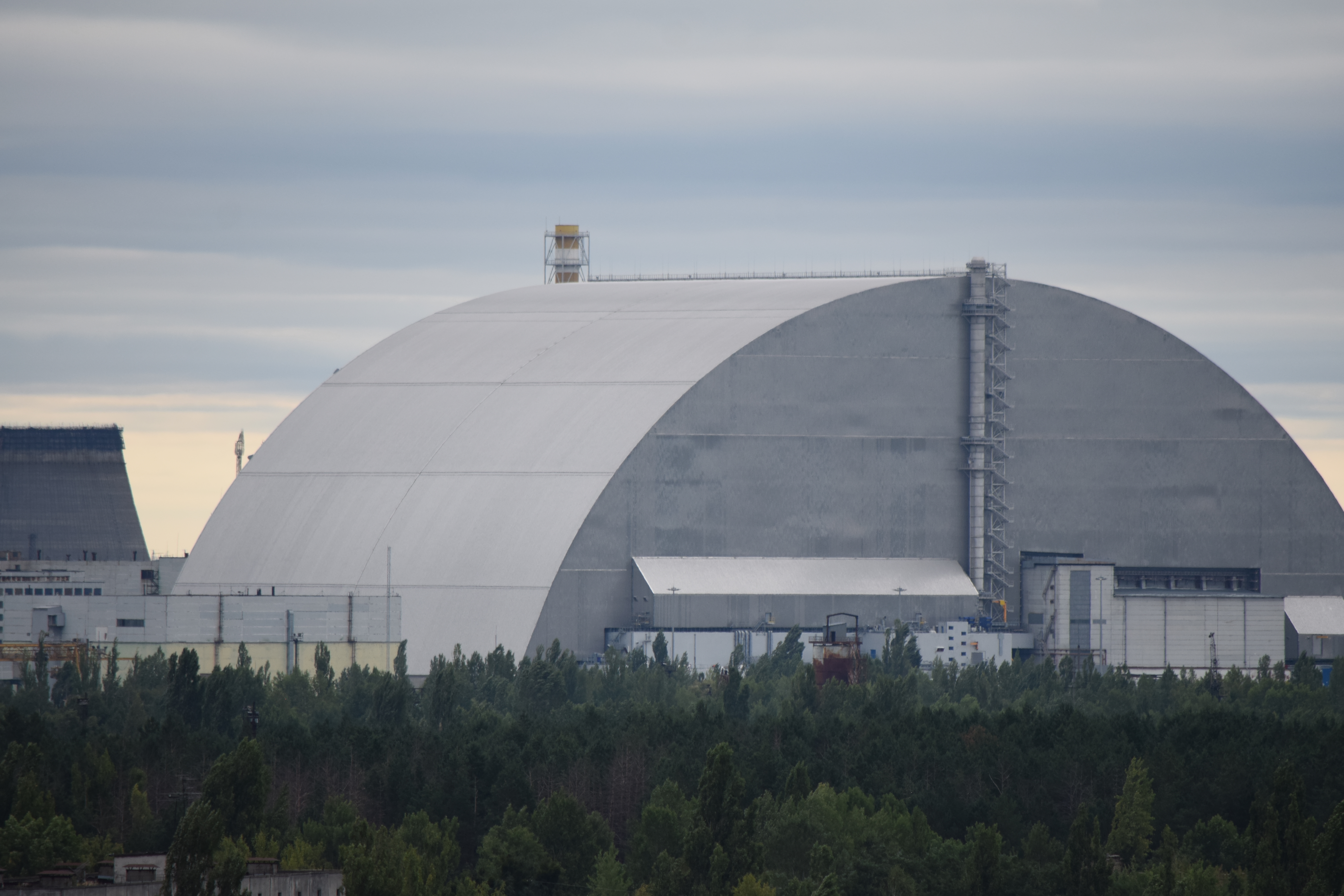
Follow the history of Chernobyl from reactor design and construction to the New Safe Confinement, or examine the final day before the disaster and the events of 26 April 1986 in detail.
RBMK design, construction of the plant, Unit 4 commissioning, the 1986 disaster, response and inquiries, plant closure, the original Shelter and the New Safe Confinement.
Open full historical timeline → 25–26 April 1986 Hour-by-Hour Accident TimelineFollow the shutdown, grid delay, low-power operation, turbine rundown test, AZ-5, reactor explosion, firefighting and the first emergency response using exact times where supported.
Open hour-by-hour timeline →Static HTML guides provide focused material for visitors and search engines, with direct links back to the searchable archive.
From RBMK design and plant construction through Unit 4, the 1986 response, inquiries, the original Shelter and the New Safe Confinement.
Explore the long timeline → 25–26 April 1986: Detailed TimelineFollow the final day before the disaster and the accident itself, using hour-by-hour and minute-by-minute times where the operating record supports them.
Follow the accident timeline → Why Reactor 4 ExplodedA technical explanation of the RBMK-1000, positive void coefficient, control-rod design, the turbine rundown test and the final power excursion.
Read technical explanation → Operators and Plant StaffControl-room staff, engineers and plant workers involved before and immediately after the explosion.
Explore operators → FirefightersThe first crews responding to fires around Units 3 and 4 and the turbine building.
Explore firefighters → Soviet Government ResponseGovernment commissions, plant management, evacuation, containment and political consequences.
Explore government response → IAEA and International ResponseHans Blix, the post-accident review, notification reforms and international nuclear-safety cooperation.
Explore international response → Cleanup and AftermathLiquidators, helicopter operations, roof cleanup, photography and long-term containment.
Explore cleanup →Search the uploaded World History Database records by person, event, place, category or description. Exact duplicate source rows are suppressed in the displayed archive.
This feature page is built from structured World History Database records supplied for the Chernobyl disaster. The record fields include year, country, category, title or role, personal name, event, place, date ranges, day, month and description.
Open the full World History Database · Browse chronology · Search biographies · Search by place
The Chernobyl disaster occurred at Reactor 4 of the Chernobyl Nuclear Power Plant in the early hours of 26 April 1986 during a turbine rundown safety test. This archive connects the accident sequence with the operators, firefighters, plant management, Soviet government response, scientists, liquidators, investigations and later containment work.
For the accident itself, use the 25–26 April 1986 hour-by-hour Chernobyl timeline. For the wider history of the plant, investigations, original Shelter and New Safe Confinement, use the full Chernobyl historical timeline. The technical background is explained separately in why Chernobyl Reactor 4 exploded.
Reactor 4 was destroyed shortly after 01:23 on 26 April 1986, following the turbine rundown test and emergency shutdown sequence.
The later IAEA assessment describes a combination of unstable RBMK reactor characteristics, low operating reactivity margin, the positive void coefficient, control-rod design effects and weaknesses in operating procedures and the wider nuclear-safety system.
Evacuation of Pripyat began on 27 April 1986, the day after the reactor accident.
The New Safe Confinement was moved over the destroyed Unit 4 and the original 1986 Shelter in November 2016, providing a more durable enclosure for long-term dismantling and containment work.
Compiled and edited by World History Database. Page structure, timeline links and supporting historical context last reviewed 27 September 2026.
The historical archive on this page is built from the Chernobyl records supplied to the World History Database for this feature. The current embedded dataset contains 447 source rows; exact duplicate rows are suppressed in the interactive display rather than silently rewritten.
The crawlable Chernobyl topic pages are generated from the same replacement record set. Their record cards reproduce the supplied database fields and descriptions, selected by subject so that the underlying historical material remains traceable to the main archive.
The separate technical explanation, Why Chernobyl Reactor 4 Exploded, supplements the database records with specialist technical material from IAEA INSAG-7, the Chornobyl Nuclear Power Plant technical account, and the World Nuclear Association accident chronology. Those external explanations are identified on that page and are not presented as database records.

.jpg)
