1648 13th December
Trial
The "Rump Parliament" of 60 members votes that Charles be brought to trial
English Civil War · permanent subject timeline
The regicide that abolished the monarchy and transformed the constitutional crisis. This page combines historical context with 6 matching records drawn directly from the World History Database English Civil War archive.
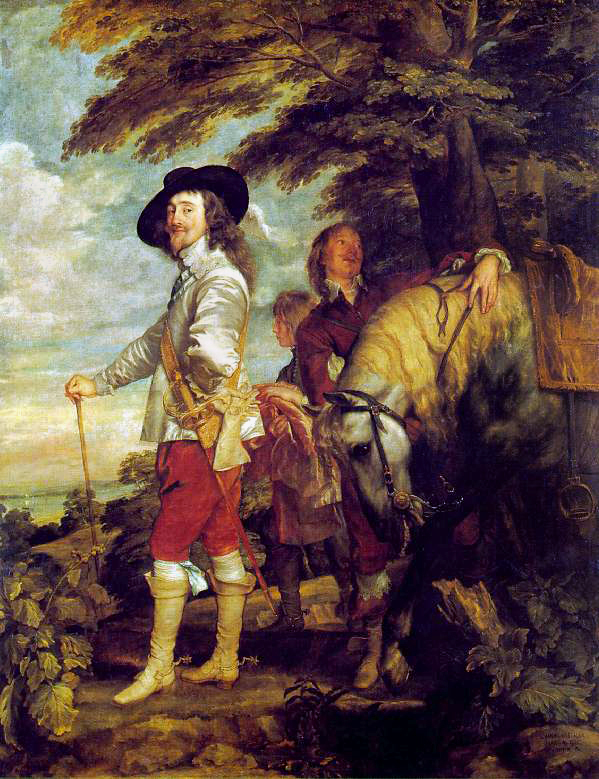
Historical context
Charles I was tried by a specially created High Court of Justice and condemned for treason. He was executed outside the Banqueting House in Whitehall on 30 January 1649.
The execution of a reigning king was unprecedented in English history. Parliament subsequently abolished the monarchy and House of Lords and declared England a Commonwealth.
World History Database records
The records below are selected from the 1,090-record English Civil War archive and rendered as static HTML in chronological order.
Trial
The "Rump Parliament" of 60 members votes that Charles be brought to trial
Execution
In the wake of the ejections from the Long Parliament, the remnant, the Rump Parliament, arranges for the trial and execution of Charles I
Trial
Charles I goes on trial for treason
Trial
Charles I goes on trial, he refuses to plead
Trial
Sentenced to death as a "tyrant, traitor & murderer"
Execution
Executed in front of the Whitehall Banqueting House; Charles II is proclaimed king in Scotland after the execution
Editorial provenance
Compiled and edited by World History Database.
Historical context is editorial material; the chronology is generated from World History Database English Civil War records.
Last reviewed: September 2026.
English Heritage · National Army Museum · UK Parliament · Cromwell Museum
Continue exploring