English Civil War Timeline 1642–1651
Search and browse records covering the English Civil War and its aftermath, including Charles I, Oliver Cromwell, Thomas Fairfax, Royalist and Parliamentarian campaigns, the battles of Edgehill, Marston Moor and Naseby, the Putney Debates and other military, political and constitutional developments. Filter the existing chronology by year, person, event or place, or use text search to isolate individual battles, commanders, locations and episodes.
Historical overview
From constitutional crisis to regicide, republic and Worcester
The 1,090-record archive is strongest for the fighting of 1642–1651 and the political struggle that continued after Parliament's first military victory.
1642: the breakdown
Conflict over royal authority, Parliament, religion and control of the militia escalated after the attempted arrest of the Five Members. Both sides raised forces, and Charles I raised his standard at Nottingham before the first major battle at Edgehill.
1643–44: war across England
Regional campaigns, sieges and field battles spread across the country. Gloucester resisted the king, Bristol changed hands, and the allied Parliamentarian and Scottish victory at Marston Moor transformed the war in northern England.
1645–46: New Model Army victory
Parliament created the New Model Army under Thomas Fairfax. Its victory at Naseby destroyed the king's main field army, while later campaigns reduced Royalist strongholds and forced the surrender of Oxford.
1647: army politics and Putney
Military victory did not settle the constitution. The army became a political force, while Levellers and officers debated representation, property, voting and political authority at Putney.
1648–49: second war and regicide
Renewed Royalist uprisings and Scottish intervention were defeated. Pride's Purge removed MPs favouring further negotiation, Charles I was tried and executed, and England was declared a Commonwealth.
1650–51: Dunbar and Worcester
Conflict continued after the regicide. Cromwell defeated the Scottish army at Dunbar and then Charles II's invasion at Worcester, ending the principal military phase of the Civil Wars.
1642 22nd AugustRoyal standard raised
1642 23rd OctoberEdgehill
1644 2nd JulyMarston Moor
1645 14th JuneNaseby
1647 October–NovemberPutney Debates
1649 30th JanuaryCharles I executed
1650 3rd SeptemberDunbar
1651 3rd SeptemberWorcester
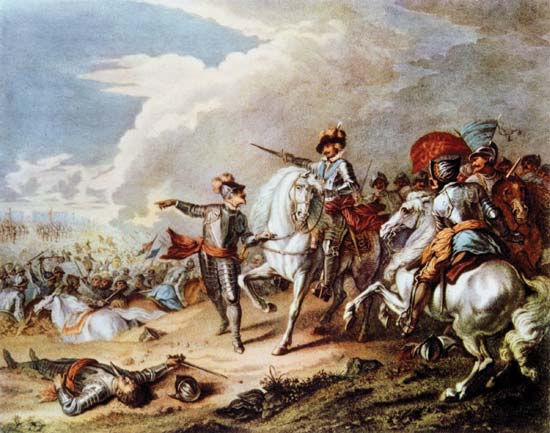
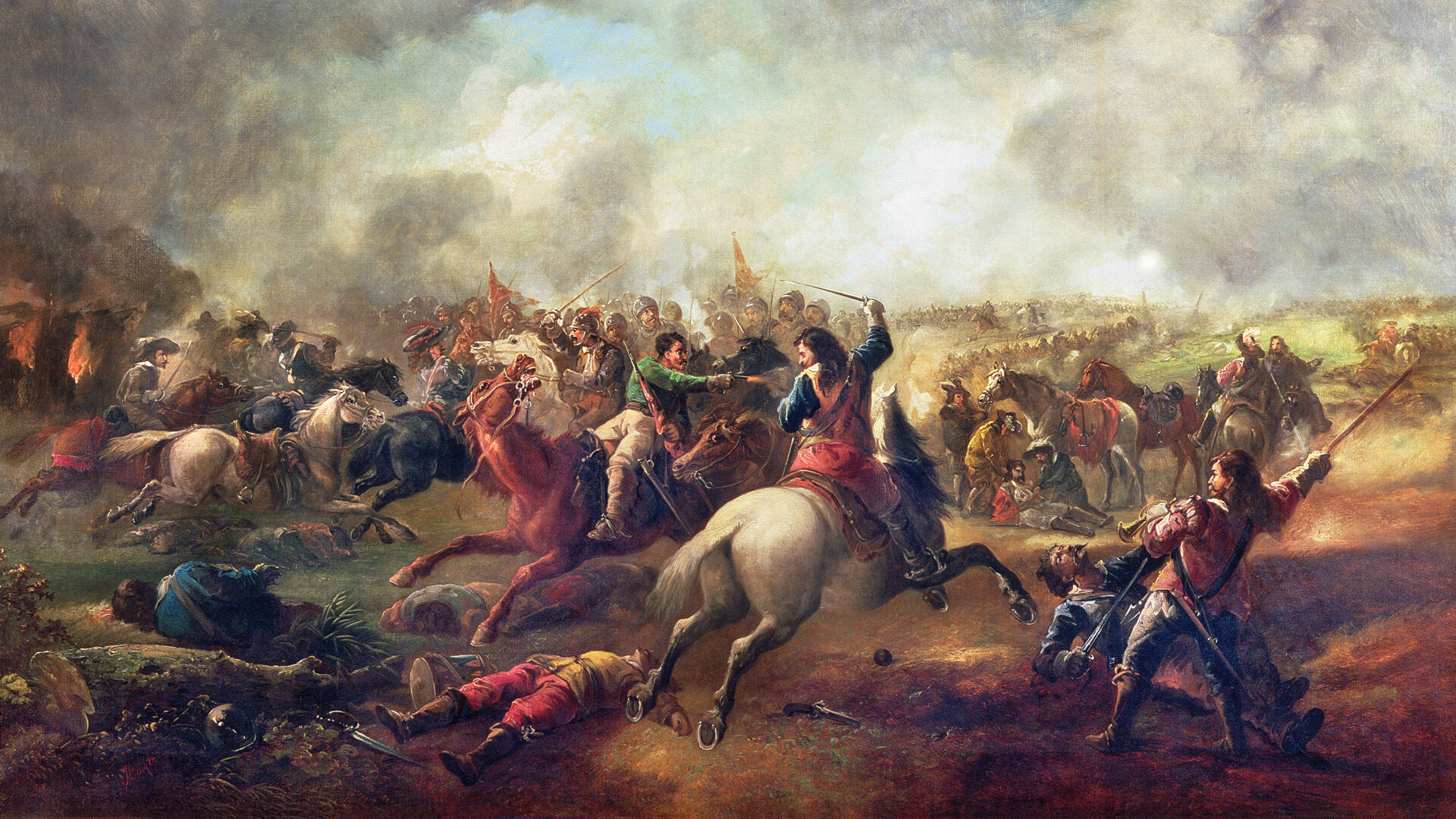
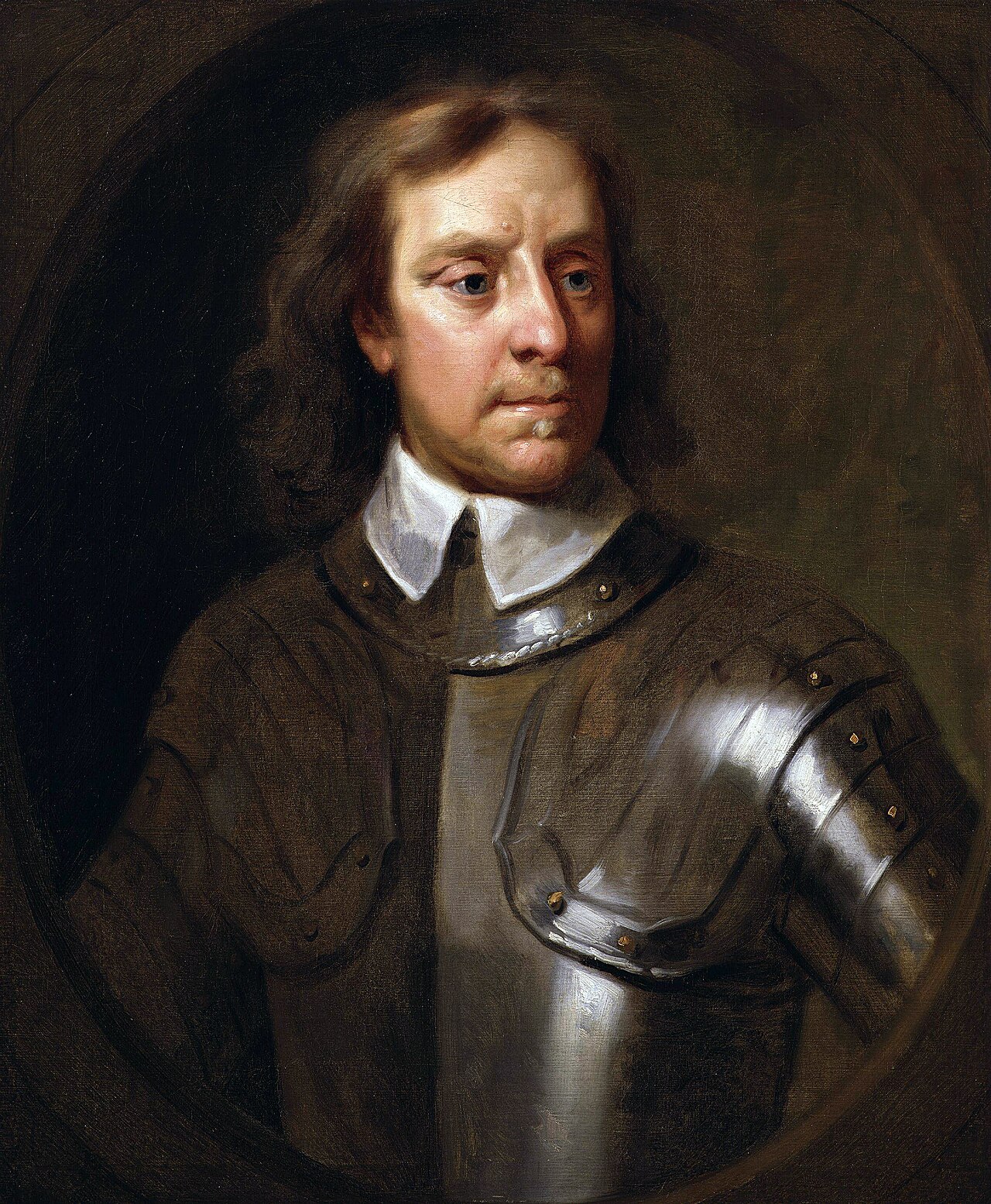
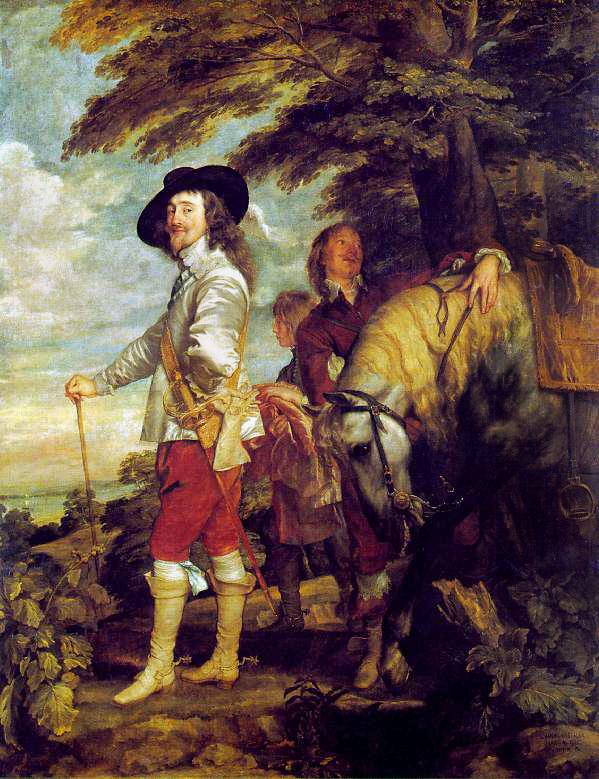
Historical images
English Civil War battles and leading figures
Public-domain historical paintings and portraits are stored locally for stable display, with their Wikimedia Commons source pages retained for provenance.




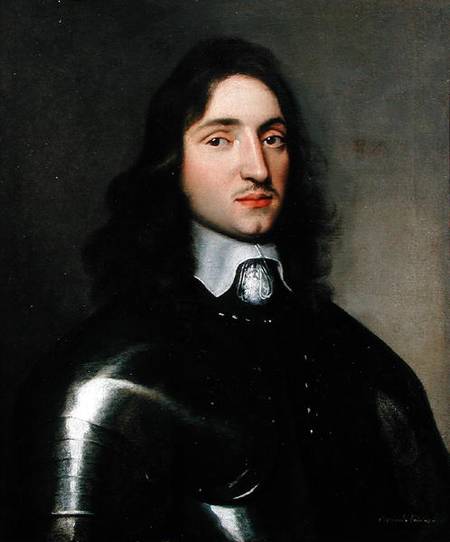

Permanent subject pages
Explore battles, political events and leading people
These crawlable pages are generated from the same 1,090-record archive. Each combines concise historical context with matching chronology records rendered as static HTML.
Outbreak of the English Civil War, 1642The political and military breakdown that turned the dispute between Charles I and Parliament into warBattle of EdgehillThe first major pitched battle of the First English Civil WarBattle of Turnham GreenThe confrontation that blocked the Royalist advance on LondonBristol in the English Civil WarThe strategically important western port fought over by both sidesSiege of GloucesterThe Parliamentarian defence that diverted the Royalist field army in 1643Battles of NewburyThe two major Berkshire battles of 1643 and 1644Siege of YorkThe campaign that brought the northern armies together before Marston MoorBattle of Marston MoorThe decisive 1644 Parliamentarian and Scottish victory in northern EnglandNew Model ArmyParliament's national field army created in 1645Battle of NasebyThe decisive New Model Army victory of June 1645Siege and Surrender of OxfordThe fall of the Royalist wartime capitalBattle of LangportA New Model Army victory during the western campaignBattle of Stow-on-the-WoldThe defeat of the last major Royalist field army of the First Civil WarPutney DebatesThe Army Council debates over political settlement, representation and the franchiseThe LevellersThe radical political movement that pressed for constitutional reformAgreement of the PeopleLeveller-linked constitutional proposals debated during the revolutionary crisisPride's PurgeThe army intervention that removed MPs opposed to the trial of Charles ITrial and Execution of Charles IThe regicide that abolished the monarchy and transformed the constitutional crisisSecond English Civil War, 1648Renewed Royalist uprisings and Scottish intervention after the First Civil WarBattle of PrestonCromwell's victory over the Scottish Engager armyBattle of DunbarCromwell's major victory over the Scottish Covenanter armyBattle of WorcesterThe final major battle of the English Civil WarsCharles II's Escape after WorcesterThe fugitive king's flight through Boscobel, the Royal Oak and a network of supportersCharles IThe king at the centre of the constitutional crisis and Civil WarsOliver CromwellParliamentarian cavalry commander, New Model Army leader and later Lord ProtectorThomas FairfaxCommander-in-chief of the New Model ArmyCharles IIRoyalist claimant whose 1651 campaign ended at WorcesterRobert Devereux, Earl of EssexParliament's first Captain-General during the First Civil WarHenry IretonNew Model Army officer and major political participant in the Putney debatesJohn LilburneProminent Leveller writer and campaignerThomas RainsboroughArmy officer and radical voice at the Putney DebatesJohn PymLeading Parliamentarian political figure before and during the outbreak of warWilliam WallerParliamentarian general active in southern and western EnglandJohn LambertNew Model Army commander prominent in the later Civil Wars and InterregnumGeorge MonckSoldier whose long Civil War career culminated in the RestorationJohn HampdenParliamentarian political leader and early-war colonel
Search the Civil War records
Filter the chronology
All filters are optional. Results remain ordered by year, month, day, event and person.
Showing all supplied Civil War records.
About this collection
This collection contains 1,090 supplied World History Database records classified as England → Warfare → Civil War. The chronology is especially rich in records for Charles I, Oliver Cromwell and Thomas Fairfax, and includes major military episodes such as Edgehill, Marston Moor and Naseby alongside sieges, mobilisation, political negotiations, the Putney Debates and the constitutional conflicts that accompanied the wars.
Use the existing Year, Person, Event and Place dropdowns or the text search to move between Royalist and Parliamentarian commanders, battles, campaigns, political movements and locations. Each result preserves the supplied record fields and can display its date, event, person, role, place, category, range information and description when those values are present.
Sources and editorial review
Sources and further reading
Compiled and edited by World History Database.
The historical overview provides context for the site's 1,090 structured English Civil War records. The chronology preserves the database's stored dates, people, places, event labels and descriptions.
Last reviewed: September 2026.