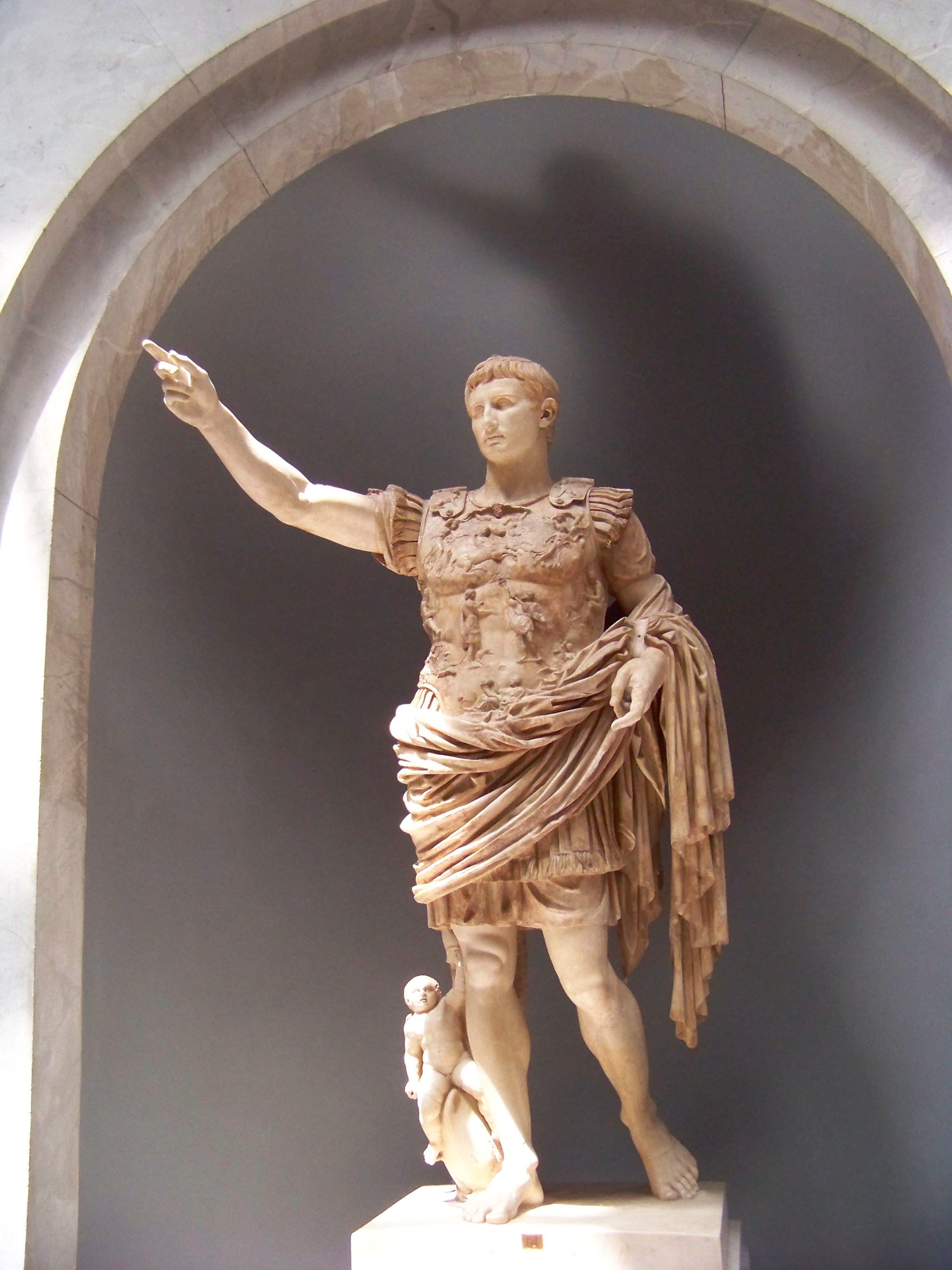
Augustus and the principate
Augustus created the durable imperial settlement that followed the civil wars of the late Roman Republic. Later emperors inherited a system in which the princeps combined military command, political authority, religious prestige and control of key provinces.
Julio-Claudians, Flavians and Antonines
The first imperial century includes the Julio-Claudian rulers, the civil war of AD 69 and the Flavian dynasty. The following Nerva–Antonine period includes Trajan, Hadrian, Antoninus Pius and Marcus Aurelius, rulers associated with expansion, frontier consolidation and administrative continuity.
Crisis, reform and Christian emperors
The third century brought rapid changes of ruler, civil wars and pressure on the frontiers. Diocletian reorganised imperial government and Constantine later emerged as sole emperor, founded Constantinople as an imperial centre and supported Christianity.
The emperors of Constantinople
Imperial rule continued in the East after the disappearance of the western imperial office. The database follows later dynasties, including Macedonian, Comnenian and Palaeologan rulers, through the fall of Constantinople in 1453.
Use the interactive Roman Empire page to filter the World History Database by year, person, event, dynasty and subject.
Search Roman records