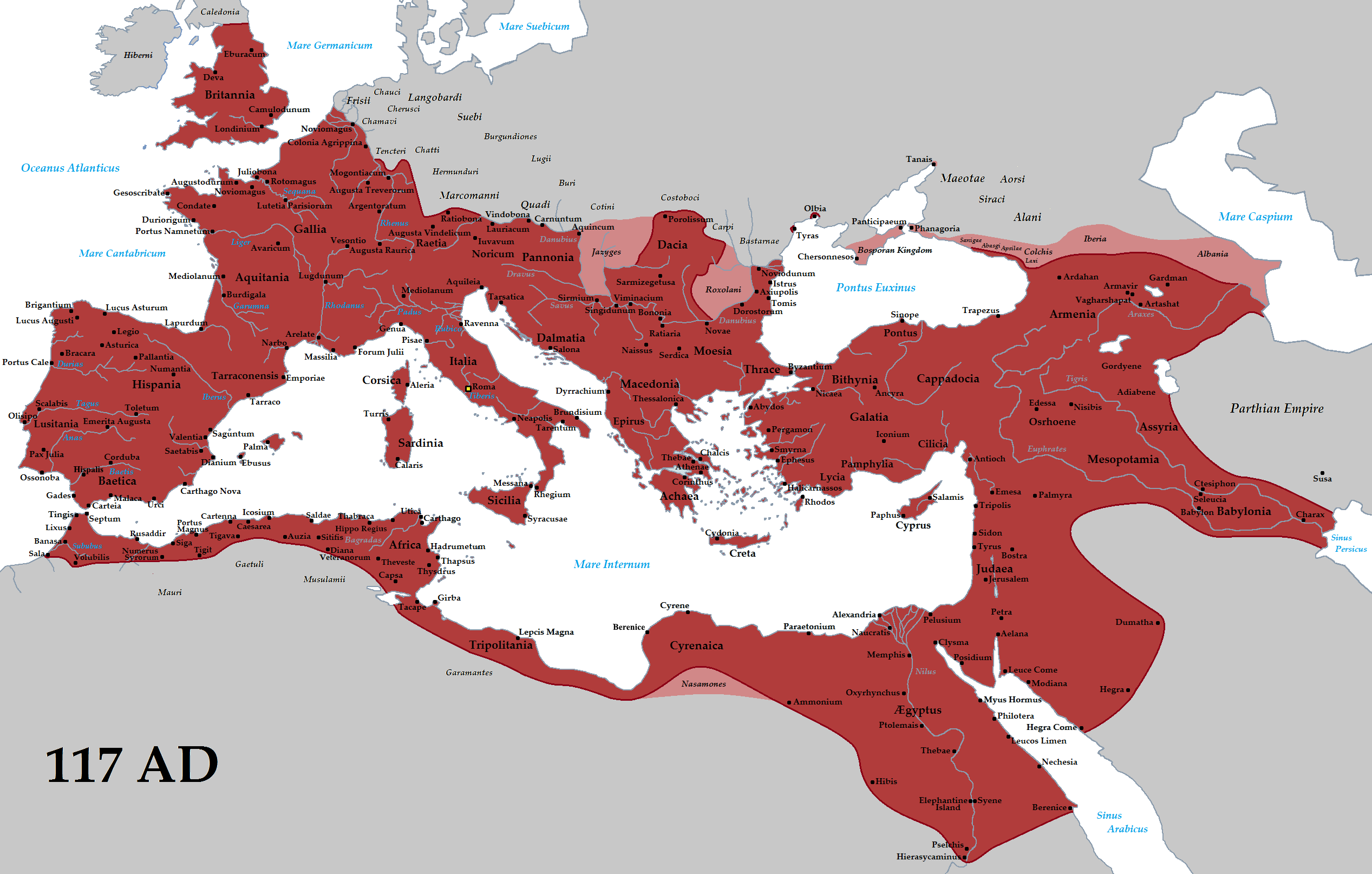
Emperor and Senate
Imperial government retained institutions inherited from the Republic, including the Senate and the consulship. In practice, emperors controlled the armed forces, key appointments and much of the political agenda while presenting their authority through established Roman offices and honours.
Provincial governors
Governors represented Roman authority across the provinces. Their responsibilities could include taxation, justice, military command and relations with local communities. Frontier provinces often required officials with substantial military authority.
Officials and administration
The imperial system used senators, equestrians, freedmen, military officers and local elites. Offices such as legate, procurator, praetorian prefect and proconsul appear repeatedly in Roman political history.
Late Roman transformation
Diocletian and later emperors expanded and reorganised the administrative structure. The Eastern Roman Empire developed its own court offices and military-administrative institutions while continuing to regard itself as the Roman state.
Use the interactive Roman Empire page to filter the World History Database by year, person, event, dynasty and subject.
Search Roman records