Roman emperors and dynasties
Follow succession from Augustus through rulers such as Tiberius, Claudius, Nero, Vespasian, Trajan, Hadrian, Marcus Aurelius, Diocletian and Constantine.
Explore a searchable chronology of Roman emperors, imperial dynasties, warfare, government, religion, Roman Britain, frontier expansion and the Eastern Roman Empire through the World History Database.
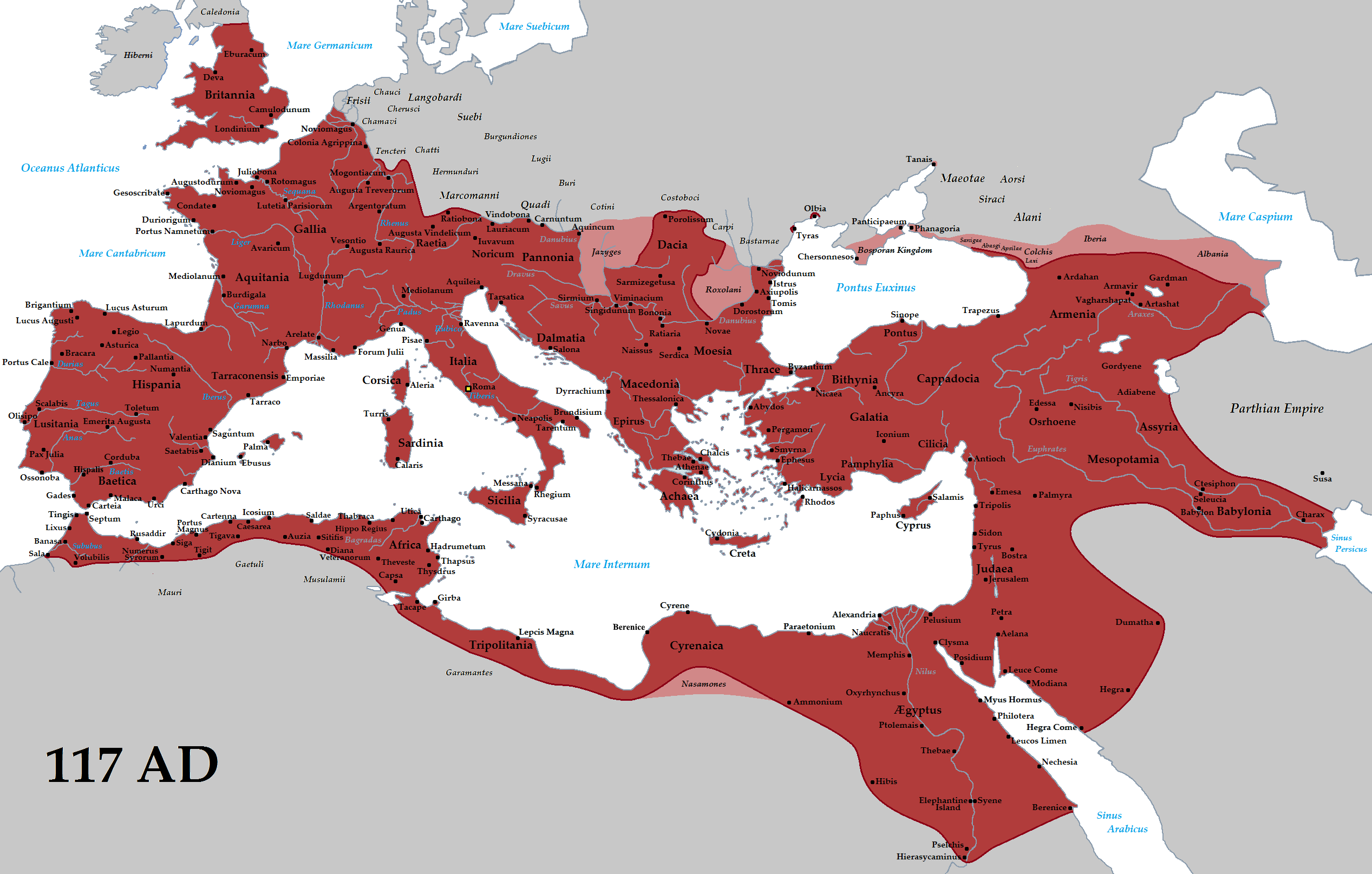
The Roman Empire developed from the Roman Republic when Augustus established a durable imperial settlement in 27 BC. From Rome, successive emperors governed territories across Europe, North Africa and the Near East. The archive below follows imperial succession, government, warfare, religion, provincial administration and major events across the Roman world.
Key periods include the Julio-Claudian emperors, the Flavian dynasty, the Nerva–Antonine era of Trajan and Hadrian, the Severan emperors, the third-century imperial crisis, the reforms of Diocletian and Constantine, and the later Eastern Roman Empire centred on Constantinople. The western imperial office ended in AD 476, while the Eastern Roman Empire continued for centuries and survived until the fall of Constantinople in 1453.
Follow succession from Augustus through rulers such as Tiberius, Claudius, Nero, Vespasian, Trajan, Hadrian, Marcus Aurelius, Diocletian and Constantine.
Explore campaigns, civil wars, frontier policy, Roman Britain, Hadrian’s Wall, Dacia, the Rhine and Danube frontiers, and conflicts in the eastern provinces.
Continue beyond late antiquity through Constantinople, Justinian, medieval imperial dynasties and the final Palaeologan rulers.
The archive follows imperial Rome from the early principate through expansion, civil wars, frontier government, the third-century crisis, Christian emperors and the long history of the Eastern Roman Empire.
Imperial government develops under Augustus, Tiberius, Caligula, Claudius and Nero.
Vespasian restores stability after civil war, while Titus and Domitian continue Flavian rule.
Nerva, Trajan, Hadrian, Antoninus Pius and Marcus Aurelius preside over a major phase of imperial power.
Military emperors, civil conflict and external pressure transform the political structure of the empire.
Tetrarchic reform, Constantine's dynasty and the growing importance of Christianity reshape Roman government.
Constantinople remains the centre of the Eastern Roman state through Justinian, later dynasties and the final centuries.
Images are stored locally by the installation script for stable display. Source pages remain linked for provenance.
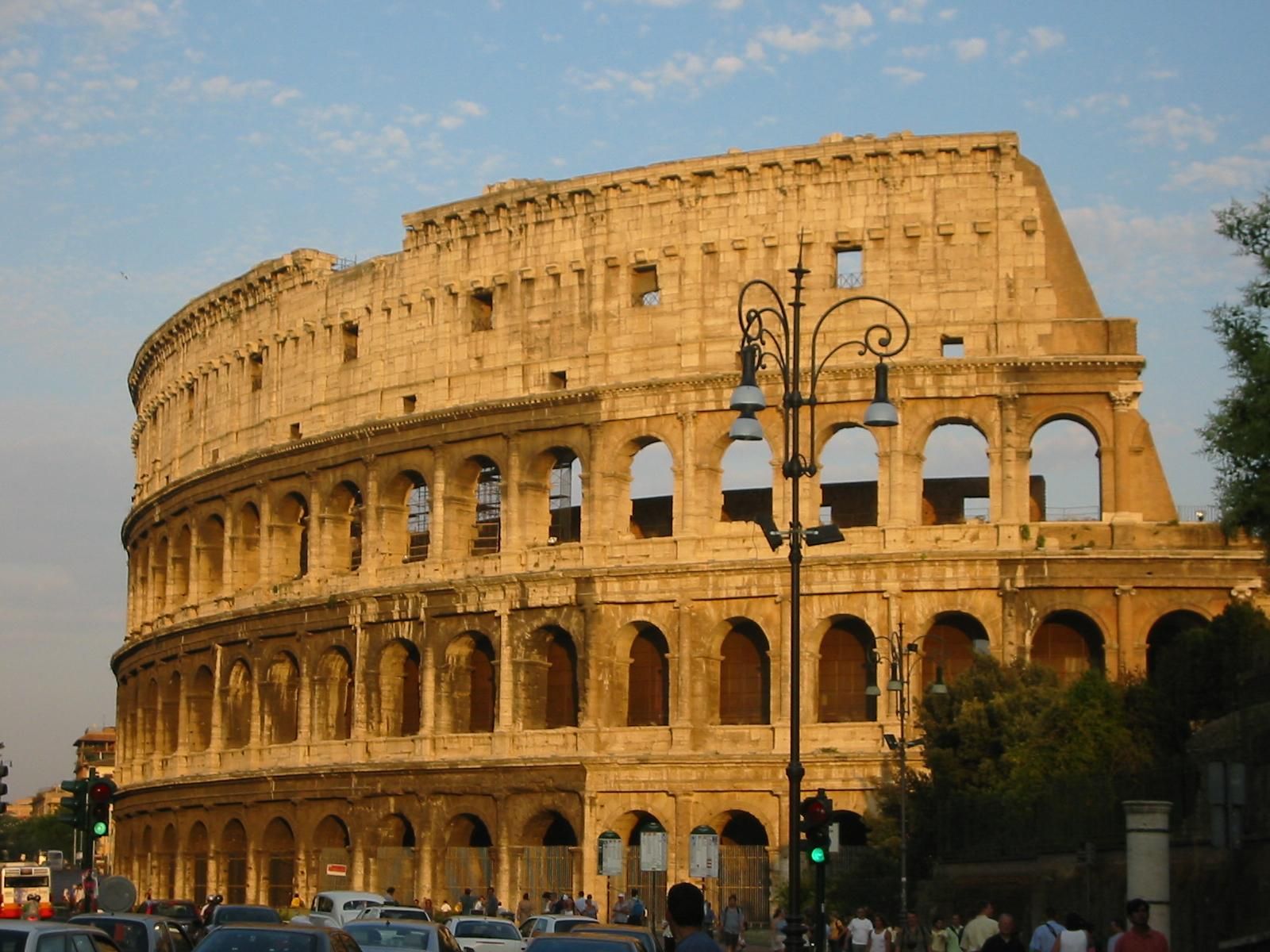
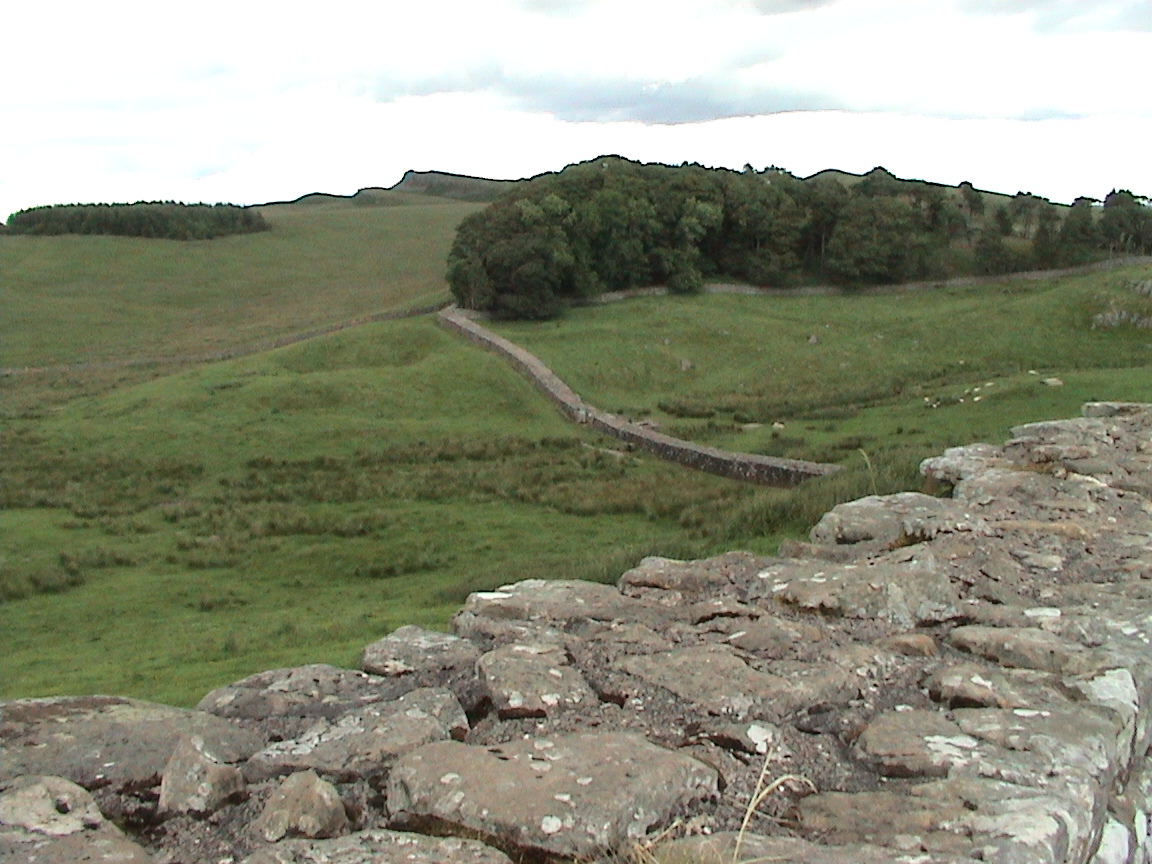
Select a card to filter the live Roman Empire chronology. The page uses the same World History Database records as the site's principal search tools.
Augustus, Tiberius, Caligula, Claudius and Nero.
Vespasian, Titus, Domitian and the empire after AD 69.
Nerva to Marcus Aurelius, including Trajan and Hadrian.
Septimius Severus, Caracalla and the imperial family of the early third century.
The rapid imperial changes and military politics of the third-century crisis.
Constantine and the imperial transformations of the fourth century.
Campaigns, invasions, civil wars, frontier fighting and military expansion.
Governors, consuls, legates, provincial administration and imperial office.
The Palaeologan rulers and the closing centuries of Constantinople's empire.
Search by person, event, place, role or description, then narrow by year, category, dynasty, person or event. Text dropdowns are divided into A–Z sections.
Loading Roman Empire records…
These crawlable topic pages provide focused introductions and link back to the live Roman Empire archive.
Imperial succession and dynasties from Augustus to Constantinople.
Provincial government, Hadrian’s Wall and the northern frontier.
Legions, campaigns, frontiers and imperial civil wars.
Emperors, governors, officials and provincial administration.
Constantinople, medieval dynasties and the empire to 1453.
The Roman Empire page is a specialist view of the structured World History Database. Stored fields include year, country, historical category, dynasty or subject, title, personal name, event, place, date ranges, day, month and description.
Compiled and edited by World History Database. Last reviewed: September 2026.


